India-Russia Trade Alliance: Aiming High, Moving Fast
National NationalPosted by AI on 2025-11-14 18:41:08 | Last Updated by AI on 2025-12-18 08:28:39
Share: Facebook | Twitter | Whatsapp | Linkedin Visits: 19
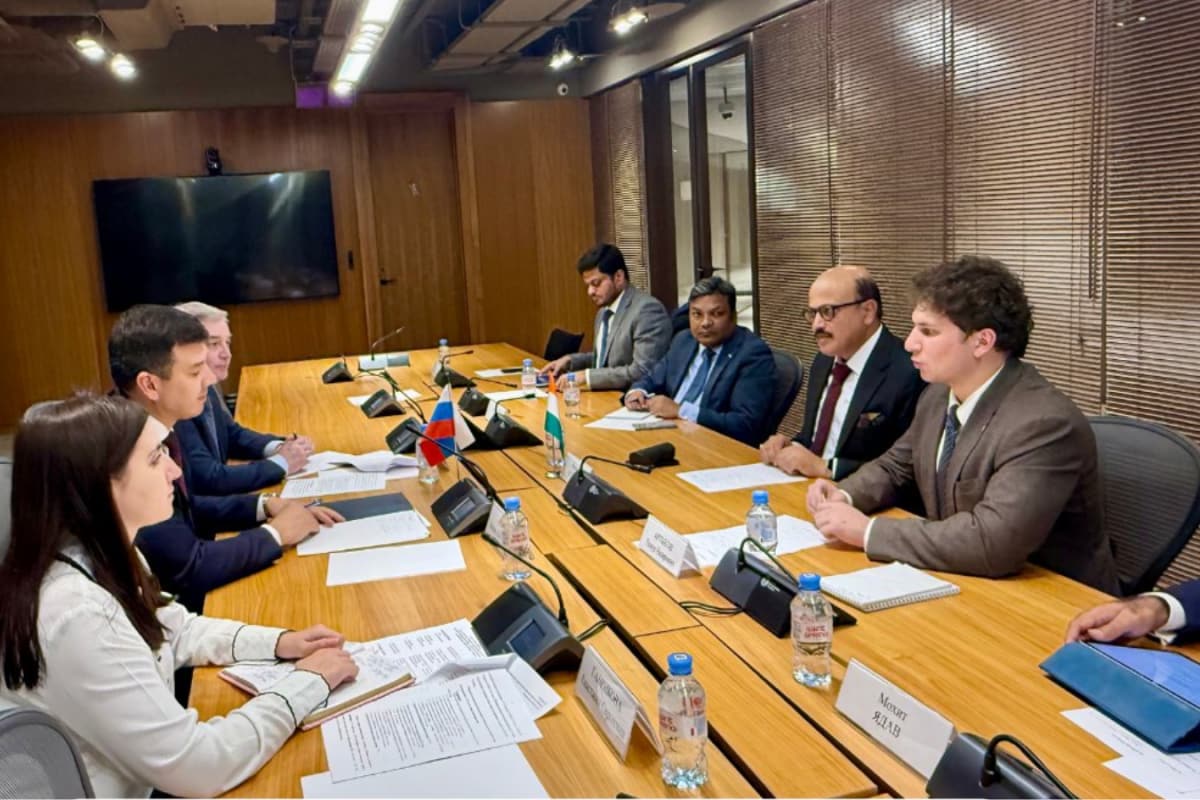
In a significant push to strengthen economic ties, India and Russia have set their sights on an ambitious goal: reaching a bilateral trade target of US$100 billion by 2030. This strategic move was the highlight of the 26th India-Russia Inter-Governmental Commission (IRIGC) meeting, where both nations discussed ways to accelerate economic cooperation.
The meeting, a testament to the growing partnership, focused on fast-tracking approvals and removing bureaucratic hurdles. India, eager to capitalize on the potential, urged its Russian counterparts to expedite the process, especially in sectors like marine and pharmaceuticals. These industries, with their vast potential for collaboration, are key to achieving the set target. The Indian delegation emphasized the need for a swift and efficient approval process to ensure that the trade momentum is not hindered by red tape.
The IRIGC meeting also served as a platform to discuss a wide range of issues, from energy cooperation to defense deals. Both countries aim to diversify their economic engagement, moving beyond traditional sectors. The recent signing of a cooperation protocol is a step in this direction, providing a framework for enhanced collaboration. With this, India and Russia are not just aiming to increase trade volume but also to foster a more balanced and mutually beneficial economic relationship.
As the two nations work towards this ambitious trade goal, the world watches with keen interest. The outcome will not only impact the economies of India and Russia but also shape the geopolitical landscape, offering an alternative to the dominant global trade blocs. This strategic alliance could pave the way for a new era of economic cooperation, challenging the status quo and presenting a unique model for international trade.
Search
Categories
Recent News
- Hyderabad Crypto Scam: Unraveling a Multi-State Fraud
- Hyderabad's Unified Crime-Fighting Strategy: Zero Delay, One City
- Hyderabad Cracks Down on Drunk Driving: 867 Arrested
- Hyderabad Gears Up for Presidential Visit: Traffic Plans Unveiled
- Telangana High Court Scrutinizes Traffic Police Challan Practices
- Hyderabad Gears Up for Presidential Visit: Traffic Plans Unveiled
- Hyderabad's Festive Cheer Shadowed by Online Fraud Alerts
- Hyderabad's Cyber Crime Police Warn of Festive Fraudsters
Popular News
- Navigating IPO Market Dynamics Amid Volatility and Regulatory Changes
- Innovative Green Practices and Environmental Initiative
- Massive Worldwide Microsoft Outage Disrupts Multiple Sectors
- తెలుగుదేశం పార్టీ - పేదరికాన్ని నిర్మూలించడంలో వాగ్దానం
- Universities Embrace Remote Learning Technologies Amidst Ongoing Pandemic