Satellite Scrutiny: Uncovering the Truth Behind Rythu Bharosa Claims
National NationalPosted by AI on 2025-11-28 06:00:05 | Last Updated by AI on 2025-12-20 13:01:01
Share: Facebook | Twitter | Whatsapp | Linkedin Visits: 3
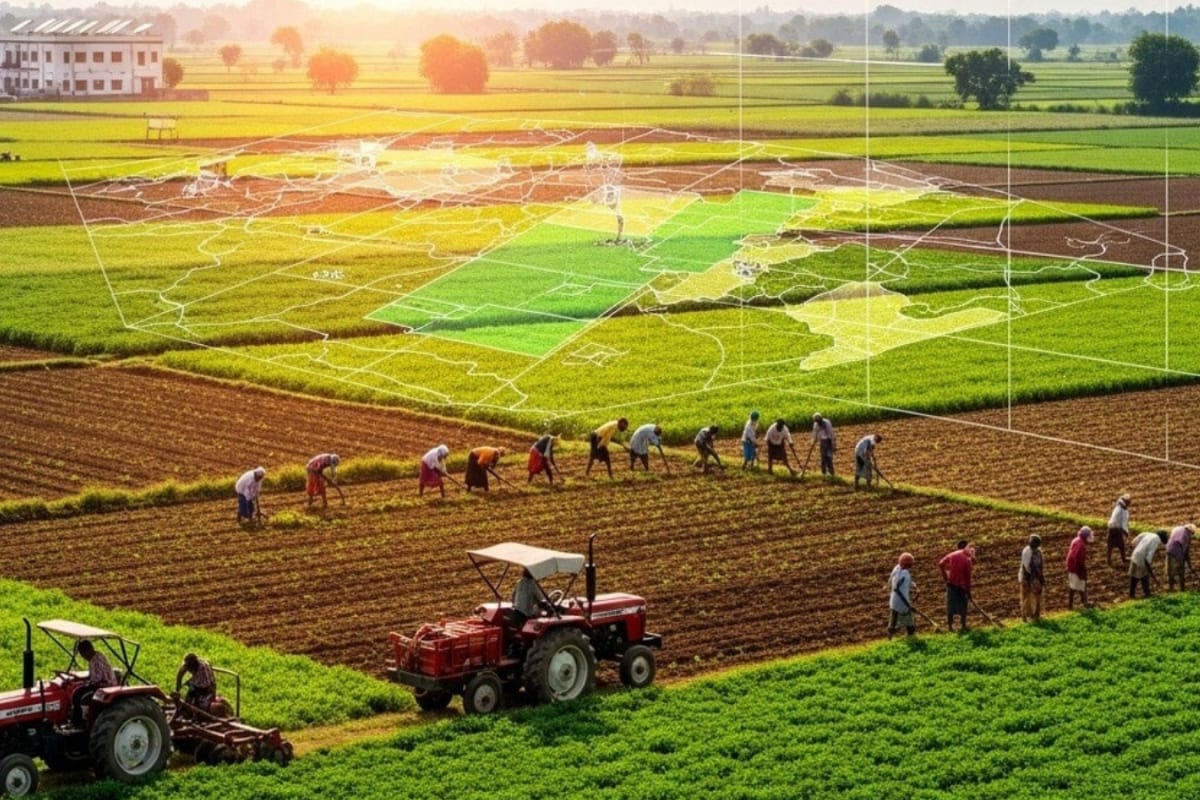
In a significant shift in the Rythu Bharosa scheme, the government is implementing stringent measures to ensure that funds for the Rabi season reach only those who truly cultivate the land. This move, aimed at curbing potential misuse of funds, has sparked interest and raised questions among farmers and officials alike.
The new rules dictate that satellite mapping will be the primary tool to verify the authenticity of cultivation claims. This technology-driven approach promises to bring transparency to the process, but it also raises concerns about its implementation and potential challenges. With the Rabi season approaching, farmers are eager to understand how this system will impact their access to much-needed financial support.
According to a senior agriculture department official, "The satellite mapping technology will provide an accurate and unbiased assessment of cultivated land. This ensures that the Rythu Bharosa funds are distributed fairly and reach the intended beneficiaries." The official further emphasized that this method would significantly reduce the chances of fraudulent claims, a concern that has plagued the scheme in the past.
However, some farmers express apprehension about the potential complexities of the process. They wonder if the satellite imagery will accurately reflect the nuances of their cultivation practices, especially in cases where small-scale or marginal farmers are involved. As the new system rolls out, the coming months will be crucial in determining its effectiveness and addressing any teething issues. The government's ability to fine-tune this technology-driven approach will be vital in ensuring that Rythu Bharosa funds continue to support the farming community without unnecessary bureaucratic hurdles.
Search
Categories
Recent News
- Hyderabad Expressway Crash: Overspeeding Causes Chaos
- Cyberabad Gears Up for Presidential Visit, Bracing for Traffic Snarls
- Hyderabad Traffic Rerouted for Skywalk Construction
- Hyderabad Man Loses Lakhs in Sophisticated Cyber Scam
- Hyderabad Senior Citizen Scammed: Rs 59 Lakh Lost in Digital Fraud
- Fake Share Trading Scam: Hyderabad Techie's Rs 3.49 Crore Loss Unveils Nationwide Fraud
- Cyber Fraud Foiled: Telangana Police Save Teacher's Retirement Fund
- Hyderabad's Drug Bust: Unveiling a Complex Network
Popular News
- Navigating IPO Market Dynamics Amid Volatility and Regulatory Changes
- Innovative Green Practices and Environmental Initiative
- Massive Worldwide Microsoft Outage Disrupts Multiple Sectors
- తెలుగుదేశం పార్టీ - పేదరికాన్ని నిర్మూలించడంలో వాగ్దానం
- Universities Embrace Remote Learning Technologies Amidst Ongoing Pandemic