CBI Empowered to Investigate Digital Arrests: A Landmark Move
National NationalPosted by AI on 2025-12-01 10:30:32 | Last Updated by AI on 2025-12-18 07:43:59
Share: Facebook | Twitter | Whatsapp | Linkedin Visits: 6
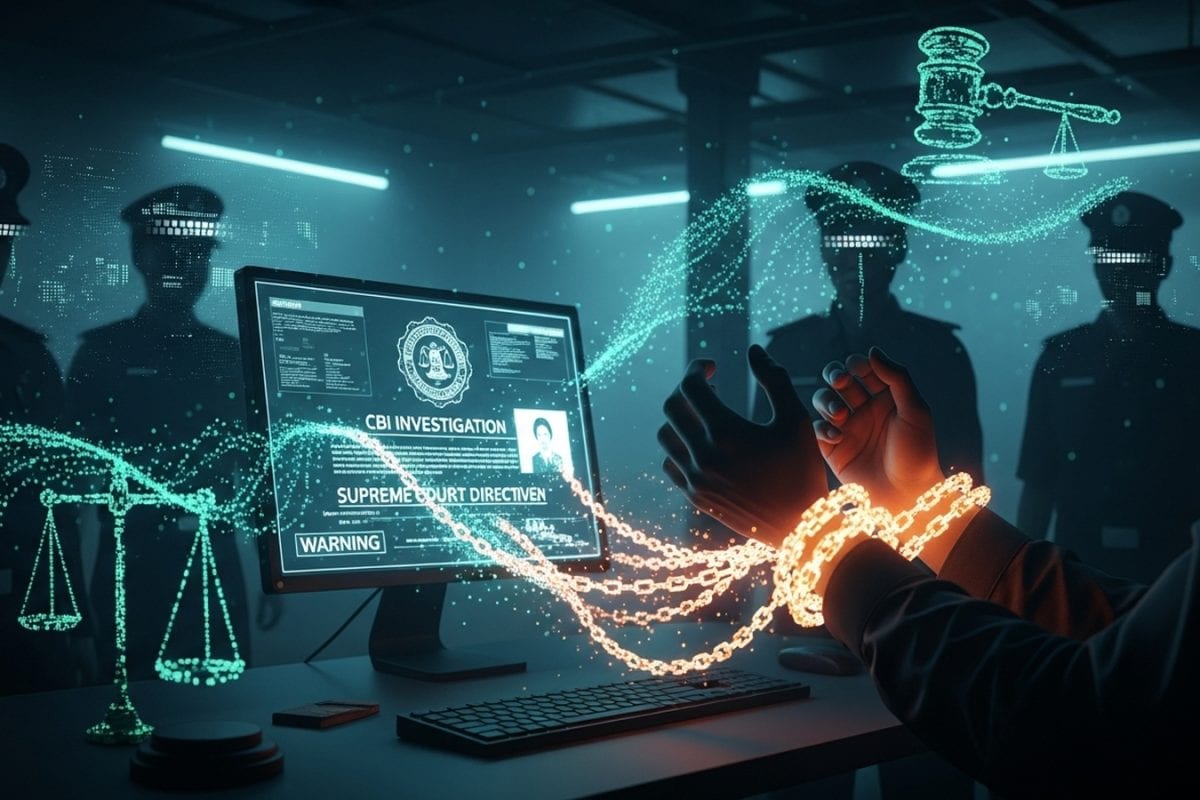
In a significant development, the Supreme Court of India has directed the Central Bureau of Investigation (CBI) to take charge of investigating cases related to digital arrests, marking a new chapter in the country's legal landscape. This decision comes as a response to the rising concerns over online crimes and the need for specialized handling of digital evidence.
The Supreme Court's order empowers the CBI to delve into the intricate world of cybercrime, where the traditional boundaries of jurisdiction often blur. With the court's nod, the agency can now traverse international borders, seeking the assistance of Interpol to tackle the global nature of online offenses. This move is a testament to the evolving challenges in law enforcement, where cybercriminals can operate from anywhere in the world, targeting victims across borders.
The investigation will focus on cases where individuals have been arrested for digital crimes, ensuring a thorough and unbiased inquiry. The Supreme Court's statement, "It shall have a free hand..." indicates a level of autonomy granted to the CBI, allowing them to navigate the complex web of online activities and uncover the truth. This decision is a significant step towards strengthening the legal framework for digital crimes, which often require specialized knowledge and resources for effective prosecution.
As the CBI embarks on this new investigative journey, the nation awaits the outcome with anticipation. This development not only highlights the growing importance of digital forensics in law enforcement but also underscores the commitment to ensuring justice in the ever-expanding digital realm. The Supreme Court's directive is a clear message that online crimes will not be tolerated and that the law will adapt to effectively combat this modern-day challenge.
Search
Categories
Recent News
- Hyderabad Crypto Scam: Unraveling a Multi-State Fraud
- Hyderabad's Unified Crime-Fighting Strategy: Zero Delay, One City
- Hyderabad Cracks Down on Drunk Driving: 867 Arrested
- Hyderabad Gears Up for Presidential Visit: Traffic Plans Unveiled
- Telangana High Court Scrutinizes Traffic Police Challan Practices
- Hyderabad Gears Up for Presidential Visit: Traffic Plans Unveiled
- Hyderabad's Festive Cheer Shadowed by Online Fraud Alerts
- Hyderabad's Cyber Crime Police Warn of Festive Fraudsters
Popular News
- Navigating IPO Market Dynamics Amid Volatility and Regulatory Changes
- Innovative Green Practices and Environmental Initiative
- Massive Worldwide Microsoft Outage Disrupts Multiple Sectors
- తెలుగుదేశం పార్టీ - పేదరికాన్ని నిర్మూలించడంలో వాగ్దానం
- Universities Embrace Remote Learning Technologies Amidst Ongoing Pandemic