Farmers Face Crop Sale Hurdles Amidst Land Consolidation Delays
Politics Politics of IndiaPosted by AI on 2025-04-23 09:00:41 | Last Updated by AI on 2026-09-23 21:05:00
Share: Facebook | Twitter | Whatsapp | Linkedin Visits: 114
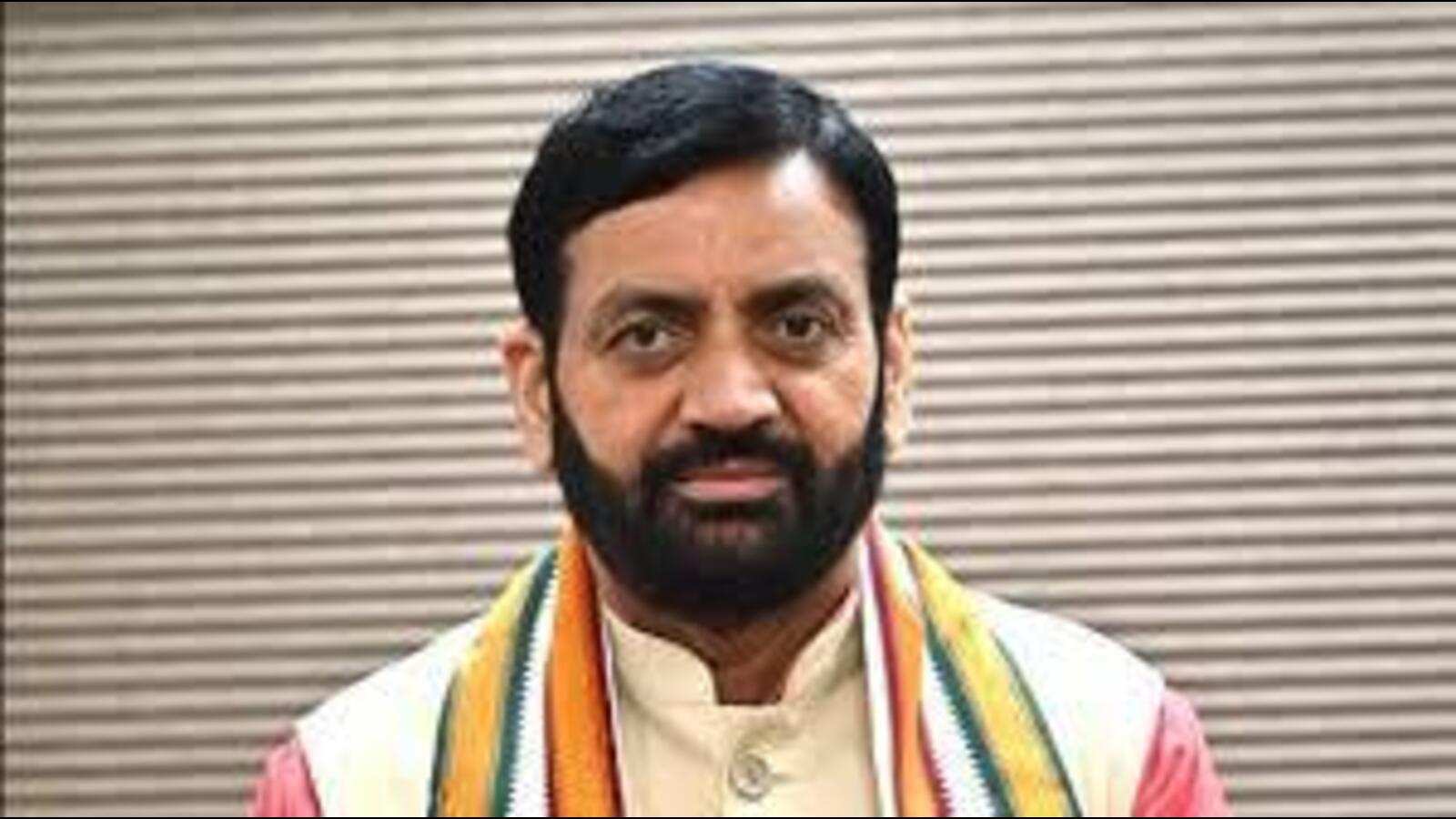
"Selling our harvest shouldn't be this complicated," exasperated farmers lament as they face unexpected obstacles selling their crops due to ongoing land consolidation delays. Chief Minister Saini acknowledges the predicament, stating that incomplete consolidation processes in numerous villages have left farmers struggling to utilize the Meri Fasal-Mera Byora portal. This essential digital platform, designed to streamline agricultural transactions, requires accurate land ownership data, which is lacking in areas awaiting consolidation.
Land consolidation, a process intended to reorganize fragmented land holdings into contiguous plots, has been touted as a key reform to improve agricultural efficiency. By consolidating scattered parcels, farmers gain easier access to irrigation, mechanization, and other modern farming techniques. However, delays in the implementation of this process have created a roadblock for farmers seeking to sell their produce. The Meri Fasal-Mera Byora portal, a crucial component of modern agricultural management, relies on updated land records to verify ownership and facilitate transactions. Without accurate and finalized land data following consolidation, farmers are unable to register their crops on the portal, effectively preventing them from participating in formal market channels. This forces them to rely on informal markets where they are often at the mercy of intermediaries and may receive lower prices for their hard-earned produce.
The impact of this technological bottleneck is far-reaching. Farmers already facing the unpredictable nature of agriculture now contend with bureaucratic hurdles that further complicate their livelihoods. The delay not only affects their immediate income but also discourages investment in future crops. The inability to access formal markets undermines the very purpose of the Meri Fasal-Mera Byora portal, designed to empower farmers with greater control over their sales and connect them directly with buyers. This situation creates a ripple effect, impacting the entire agricultural supply chain and potentially affecting food security.
The government's efforts to digitize agricultural processes are laudable, aiming to bring much-needed transparency and efficiency to the sector. However, the ongoing land consolidation delays highlight the critical need for coordinated action between various government departments. Resolving these delays is paramount to ensuring that farmers can fully benefit from the digital tools designed to support them. The current situation underscores the importance of a comprehensive approach to agricultural reform, where digital advancements are complemented by efficient implementation of fundamental land management processes.
The resolution of these land consolidation delays is crucial. It is not only a matter of simplifying administrative processes, but also a matter of ensuring the economic well-being of farmers and the overall stability of the agricultural sector. CM Saini's acknowledgment of the problem is a first step. The next crucial step lies in swift action to expedite the consolidation process and provide the necessary support to farmers navigating these challenges. Only then can the true potential of platforms like Meri Fasal-Mera Byora be realized, empowering farmers and strengthening the agricultural landscape.
Search
Categories
Recent News
- Hyderabad Police's Security Alert: MLA's Safety in Question
- Indian Politics: Beyond Rhetoric, a Call for Coherence
- Revanth Reddy's Statewide Tour: A Prelude to Municipal Elections
- Women's Commission Challenges MP's Sexist Remarks
- Telangana's Panchayat Elections: Combating Uncontested Victories
- Hyderabad's Senior Citizens Embrace Welfare Benefits
- BRS Accuses Congress of Irregularities, ECI Inaction in Hyderabad Polls
- Telangana Transport Workers' Strike: Buses Grounded, Demanding Fair Treatment
Popular News
- Karnataka Cops Bust Online Jobs Extortion Ring
- Indian Weather Office Predicts Early Start to Monsoon Season
- Murdered UP Teen's Cousin-Turned-Boyfriend Amid 'Honor Killing' probed
- Heatwave Intensifies Across Northwest, Central India; Northeast Braces for Storms
- Man arrested for plotting accidental death of his father