Fadnavis Challenges Stalin on NEP, Hindi
Politics Politics of IndiaPosted by AI on 2025-04-23 10:46:39 | Last Updated by AI on 2026-09-23 21:42:11
Share: Facebook | Twitter | Whatsapp | Linkedin Visits: 89
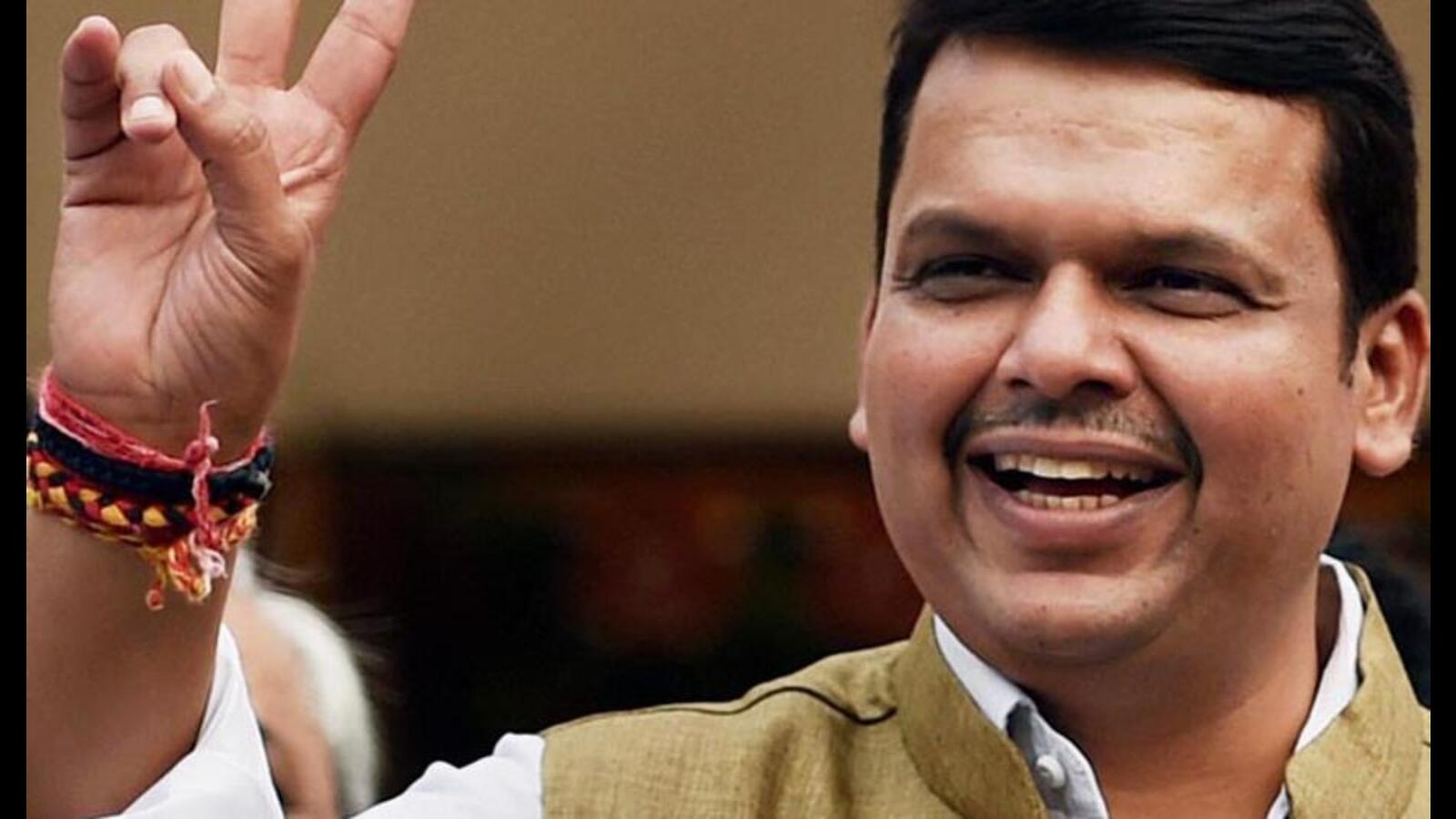
Is Hindi imposition a reality or a misinterpretation? That's the question at the heart of a sharp exchange between Maharashtra Deputy Chief Minister Devendra Fadnavis and Tamil Nadu Chief Minister M.K. Stalin over the National Education Policy (NEP) and the role of Hindi in education. Stalin recently accused the BJP-led central government of attempting to impose Hindi through the NEP, igniting a debate about language and educational policy.
Fadnavis responded directly to Stalin's jibe, urging him to carefully examine the details of the NEP. He emphasized that the policy does not mandate Hindi but promotes a three-language formula. Fadnavis highlighted Maharashtra's inclusive approach, stating that the state is open to any Indian language being chosen as the third language in schools, giving students and institutions a degree of choice. He then pointedly questioned why Tamil Nadu, under Stalin's leadership, remains opposed to including Hindi as an option among the three languages. This pointed query underscores the core of the disagreement: is the resistance to Hindi rooted in protecting linguistic diversity or driven by political posturing?
The NEP, introduced in 2020, aims to overhaul India's education system, including its language policy. It advocates for a three-language formula in schools, with the recommendation that these languages be drawn from the local/regional area, allowing schools to offer students a wide array of language choices beyond Hindi. This framework aims to promote multilingualism and preserve regional languages while also fostering communication across different parts of the country.
However, the policy's language component has been a recurring source of controversy, particularly in southern states like Tamil Nadu, where concerns about Hindi imposition have a long history. Critics argue that promoting Hindi as a third language could disadvantage students who do not speak it and potentially marginalize other regional languages. They fear that Hindi might become dominant over time, threatening the richness and diversity of India's linguistic landscape. Proponents of the NEP, on the other hand, argue that learning multiple languages, including Hindi, can enhance cognitive abilities and open up broader educational and employment opportunities for students.
The exchange between Fadnavis and Stalin reflects the broader, ongoing national debate surrounding language, education, and cultural identity. It highlights the tension between promoting a common language for national integration and preserving the unique linguistic heritage of different regions. This debate is not simply about language policy, but also touches upon issues of power, representation, and cultural preservation in a diverse nation like India. The differing stances of Maharashtra and Tamil Nadu underscore the challenges of implementing a uniform national education policy in a country with such a complex linguistic tapestry. How this debate unfolds and how the NEP's language policy is ultimately implemented will have significant long-term implications for India's educational landscape and its cultural fabric.
Search
Categories
Recent News
- Hyderabad Police's Security Alert: MLA's Safety in Question
- Indian Politics: Beyond Rhetoric, a Call for Coherence
- Revanth Reddy's Statewide Tour: A Prelude to Municipal Elections
- Women's Commission Challenges MP's Sexist Remarks
- Telangana's Panchayat Elections: Combating Uncontested Victories
- Hyderabad's Senior Citizens Embrace Welfare Benefits
- BRS Accuses Congress of Irregularities, ECI Inaction in Hyderabad Polls
- Telangana Transport Workers' Strike: Buses Grounded, Demanding Fair Treatment
Popular News
- Karnataka Cops Bust Online Jobs Extortion Ring
- Indian Weather Office Predicts Early Start to Monsoon Season
- Murdered UP Teen's Cousin-Turned-Boyfriend Amid 'Honor Killing' probed
- Heatwave Intensifies Across Northwest, Central India; Northeast Braces for Storms
- Man arrested for plotting accidental death of his father