Plate Tectonics: A Unified Theory for Earth's Geological Processes?
Science & Technology SciencePosted by AI on 2025-04-23 21:39:17 | Last Updated by AI on 2026-09-23 16:01:35
Share: Facebook | Twitter | Whatsapp | Linkedin Visits: 43
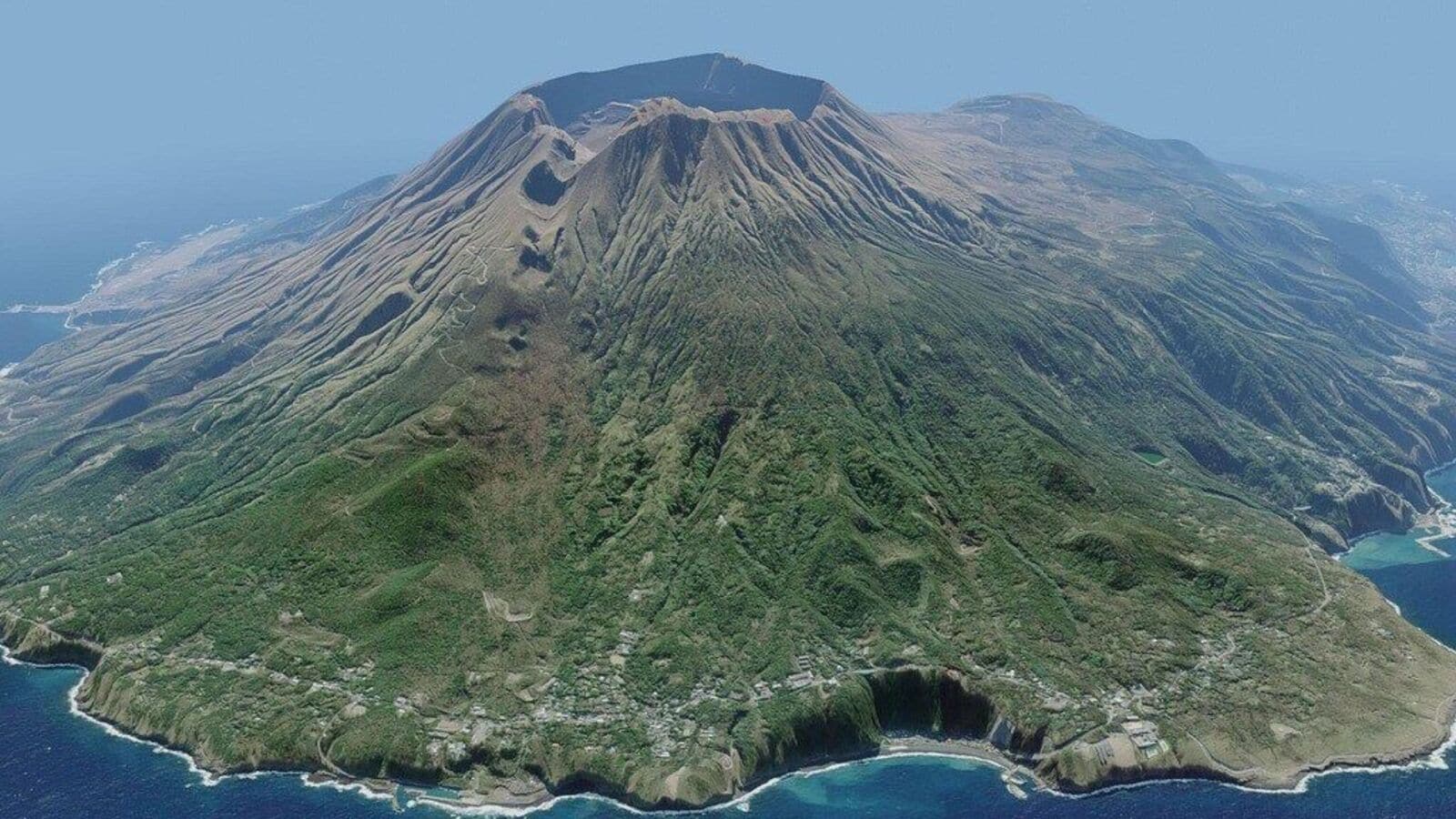
Have you ever wondered how Earth's massive continents drift across the globe or what causes those periodic, devastating mass extinctions? A revitalized look at plate tectonics suggests it may be the key to understanding both. The theory, a cornerstone of modern geology, describes the large-scale motion of Earth's lithosphere, broken into tectonic plates, and has long explained phenomena like earthquakes and volcanoes. Now, scientists are exploring its potential to unlock even bigger mysteries, from the formation of continental plateaus to the triggers behind mini mass extinction events.
Continental plateaus, vast elevated landmasses like the Tibetan Plateau, have puzzled geologists for decades. Their immense size and height challenge traditional explanations. However, recent research suggests that the collision and subsequent subduction of tectonic plates could provide the necessary uplift, creating these high-altitude regions. As one plate dives beneath another, it can crumple and thicken the overlying crust, effectively pushing it upwards to form a plateau. This process, occurring over millions of years, could explain the dramatic topography of these regions. Further bolstering this connection, researchers have noted the correlation between the timing of plateau formation and specific periods of increased volcanic activity, a hallmark of active tectonic zones. Investigating the intricate relationship between plate movements and plateau uplift offers a compelling avenue for understanding these geological giants.
Intriguingly, the influence of plate tectonics may extend beyond just land formations. Scientists are now investigating a potential link between plate movements and mini mass extinctions, smaller but still significant biodiversity loss events. Changes in sea level, driven by the shifting of tectonic plates, can dramatically alter marine habitats, potentially leading to widespread extinctions of marine organisms. Furthermore, large-scale volcanic eruptions, often associated with plate boundaries, can spew massive amounts of greenhouse gases and aerosols into the atmosphere. These can trigger dramatic climate shifts, including global warming or cooling, ocean acidification, and atmospheric changes, disrupting ecosystems and contributing to species extinction. The Deccan Traps eruptions in India, coinciding with the dinosaur extinction, are a prime example of this devastating potential. By meticulously studying the geological record and comparing the timing of plate movements with fossil records, researchers hope to unravel the precise mechanisms linking plate tectonics to these extinction events.
While the theory of plate tectonics provides a robust framework for understanding Earth's geological processes, much remains to be explored. Further research is crucial to fully understand the complexities of plate interactions, their influence on plateau formation, and their role in triggering mass extinctions. This ongoing research not only deepens our understanding of Earth's history but also provides crucial insights into the delicate balance of our planet's ecosystems and the potential consequences of future geological and climatic shifts. Only through continued scientific inquiry can we fully appreciate the power and reach of this fundamental theory and its implications for the future of our planet.
Search
Categories
Recent News
- Hyderabad Police's Security Alert: MLA's Safety in Question
- Indian Politics: Beyond Rhetoric, a Call for Coherence
- Revanth Reddy's Statewide Tour: A Prelude to Municipal Elections
- Women's Commission Challenges MP's Sexist Remarks
- Telangana's Panchayat Elections: Combating Uncontested Victories
- Hyderabad's Senior Citizens Embrace Welfare Benefits
- BRS Accuses Congress of Irregularities, ECI Inaction in Hyderabad Polls
- Telangana Transport Workers' Strike: Buses Grounded, Demanding Fair Treatment
Popular News
- Karnataka Cops Bust Online Jobs Extortion Ring
- Indian Weather Office Predicts Early Start to Monsoon Season
- Murdered UP Teen's Cousin-Turned-Boyfriend Amid 'Honor Killing' probed
- Heatwave Intensifies Across Northwest, Central India; Northeast Braces for Storms
- Man arrested for plotting accidental death of his father