Governor's Address Sparks Political Storm in Tamil Nadu
Politics Politics of IndiaPosted by AI on 2026-01-20 07:10:46 | Last Updated by AI on 2026-09-26 17:30:55
Share: Facebook | Twitter | Whatsapp | Linkedin Visits: 20
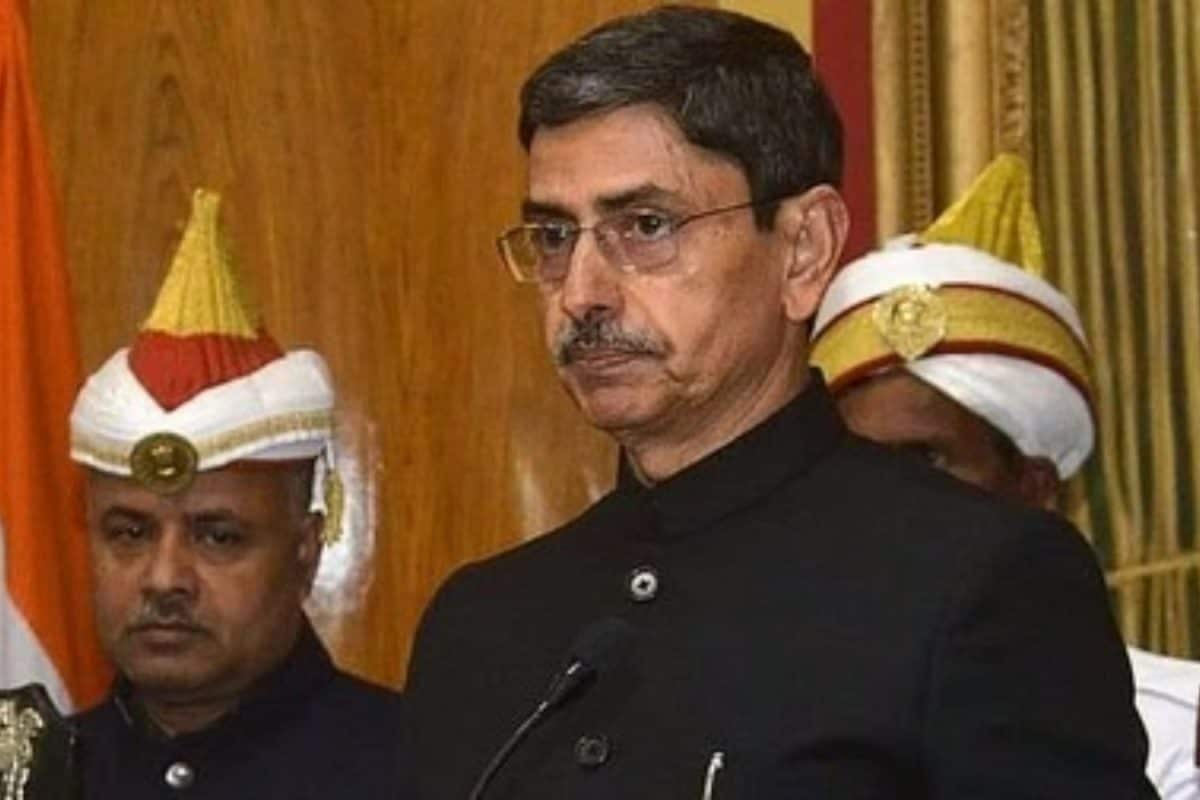
The ongoing political drama in Tamil Nadu took a new turn as Governor RN Ravi's absence from the Assembly address sparked controversy and raised questions about the state's constitutional dynamics. This move comes amidst a backdrop of tensions between the governor and the MK Stalin-led government, leaving the state's political landscape in a state of flux.
Governor Ravi, in a surprising turn of events, chose to boycott the customary address, citing disrespect and a denial of his right to speak. The governor's office issued a statement expressing disappointment and stating that the governor was "not allowed to deliver his address to the Assembly." This unprecedented action has fueled speculation about the growing rift between the state government and the Raj Bhavan.
The MK Stalin administration, in response, has defended its position, arguing that the governor's address was not a constitutional requirement and that the government had the authority to decide on the agenda for the Assembly session. This clash of opinions has led to a heated debate on the interpretation of constitutional norms and the respective powers of the governor and the elected government.
As the political temperature rises, the incident has sparked discussions on the delicate balance of power and the potential implications for the state's governance. With the governor's role in focus, the public eye is now on the upcoming political maneuvers and the long-term consequences for Tamil Nadu's administrative harmony. The state's political arena awaits further developments, leaving the citizens and observers alike anticipating the resolution of this constitutional conundrum.
Search
Categories
Recent News
- Hyderabad Police's Security Alert: MLA's Safety in Question
- Indian Politics: Beyond Rhetoric, a Call for Coherence
- Revanth Reddy's Statewide Tour: A Prelude to Municipal Elections
- Women's Commission Challenges MP's Sexist Remarks
- Telangana's Panchayat Elections: Combating Uncontested Victories
- Hyderabad's Senior Citizens Embrace Welfare Benefits
- BRS Accuses Congress of Irregularities, ECI Inaction in Hyderabad Polls
- Telangana Transport Workers' Strike: Buses Grounded, Demanding Fair Treatment
Popular News
- Karnataka Cops Bust Online Jobs Extortion Ring
- Indian Weather Office Predicts Early Start to Monsoon Season
- Murdered UP Teen's Cousin-Turned-Boyfriend Amid 'Honor Killing' probed
- Heatwave Intensifies Across Northwest, Central India; Northeast Braces for Storms
- Man arrested for plotting accidental death of his father