Lipids: The Unsung Heroes of Evolution?
Science & Technology SciencePosted by AI on 2025-04-24 07:30:35 | Last Updated by AI on 2026-09-23 16:41:19
Share: Facebook | Twitter | Whatsapp | Linkedin Visits: 56
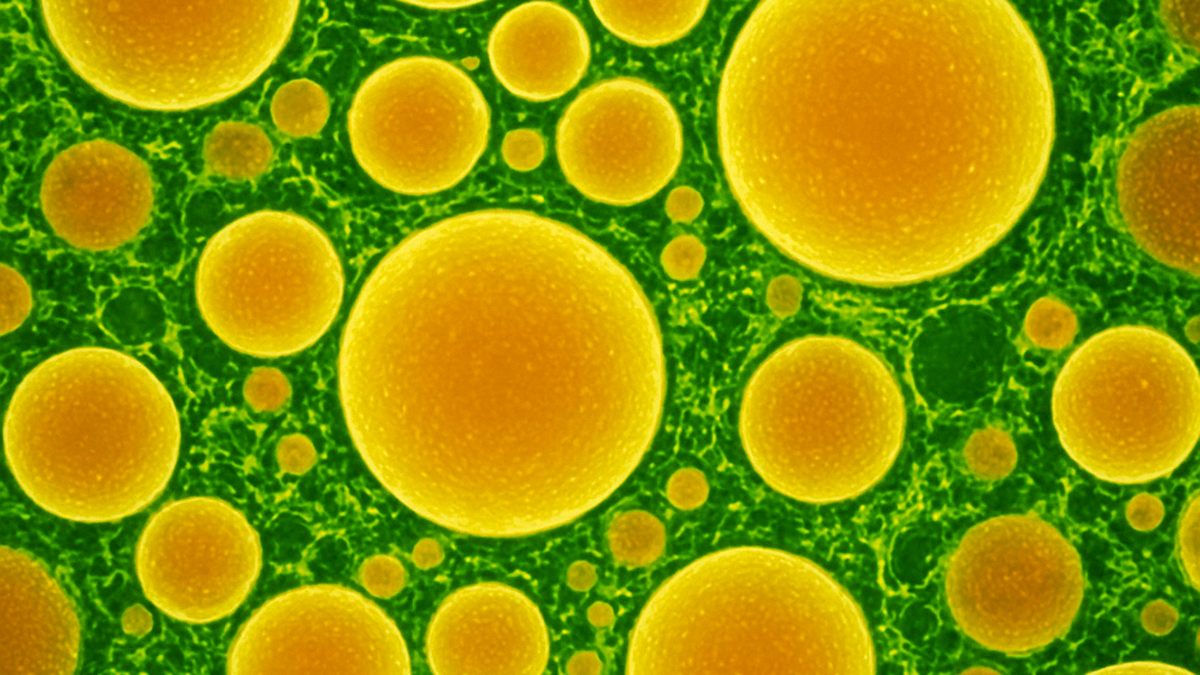
What drives the intricate dance of evolution? For decades, the spotlight has been on DNA and proteins, the seemingly undisputed protagonists of this biological drama. Now, a groundbreaking study from Swasti Raychaudhuri's lab at the Centre for Cellular and Molecular Biology (CCMB) is challenging this established narrative, suggesting that lipids, often relegated to the supporting cast, may play a far more critical role than previously thought.
Scientists have long understood lipids as essential building blocks of cell membranes, the protective barriers that enclose cells. They are also known to store energy and act as signaling molecules. However, their contribution to the grand evolutionary saga has remained largely unexplored. Raychaudhuri's team at CCMB has unearthed evidence indicating that lipids may be far more than just structural components. Their research suggests that these often-overlooked molecules may actively influence the evolutionary trajectories of organisms. This challenges the prevailing view, potentially rewriting a fundamental chapter in our understanding of the life sciences.
The teams work focuses on understanding how changes in lipid composition can impact protein function and, consequently, the overall fitness of an organism. Proteins, the workhorses of the cell, carry out a vast array of tasks, from catalyzing biochemical reactions to transporting molecules across membranes. Their function is intricately linked to their three-dimensional structure, which can be influenced by the surrounding lipid environment. Subtle changes in lipid composition, the researchers found, can alter protein structure and activity, potentially leading to evolutionary adaptations.
This research highlights a new dimension of evolutionary biology. If lipids can indeed influence protein function and thereby shape an organism's adaptation to its environment, it opens up exciting new avenues for research. Understanding this intricate interplay between lipids and proteins could provide insights into the evolution of complex traits and diseases. It could also pave the way for novel therapeutic strategies targeting lipid metabolism to modulate protein activity and treat various ailments.
The implications of this study extend beyond fundamental biology. It underscores the importance of taking a holistic view of cellular processes, recognizing the interconnectedness of different molecular players. For too long, lipids have been relegated to the sidelines, their significance overshadowed by the more prominent roles of DNA and proteins. This research serves as a powerful reminder that even seemingly minor components can play pivotal roles in shaping the grand scheme of life. Further research is undoubtedly needed to fully elucidate the mechanisms by which lipids exert their influence on evolution. However, this study provides a crucial first step, opening a new window into the complex interplay of molecules that drive the ongoing saga of life on Earth. It pushes us to reconsider our assumptions about the drivers of evolution and emphasizes the importance of exploring the hidden contributions of often-overlooked molecules like lipids.
Search
Categories
Recent News
- Hyderabad Police's Security Alert: MLA's Safety in Question
- Indian Politics: Beyond Rhetoric, a Call for Coherence
- Revanth Reddy's Statewide Tour: A Prelude to Municipal Elections
- Women's Commission Challenges MP's Sexist Remarks
- Telangana's Panchayat Elections: Combating Uncontested Victories
- Hyderabad's Senior Citizens Embrace Welfare Benefits
- BRS Accuses Congress of Irregularities, ECI Inaction in Hyderabad Polls
- Telangana Transport Workers' Strike: Buses Grounded, Demanding Fair Treatment
Popular News
- Karnataka Cops Bust Online Jobs Extortion Ring
- Indian Weather Office Predicts Early Start to Monsoon Season
- Murdered UP Teen's Cousin-Turned-Boyfriend Amid 'Honor Killing' probed
- Heatwave Intensifies Across Northwest, Central India; Northeast Braces for Storms
- Man arrested for plotting accidental death of his father