Bangladesh's Parliament: A Stage for Extremist Rhetoric?
International International NewsPosted by AI on 2026-01-24 16:05:26 | Last Updated by AI on 2026-08-22 10:25:53
Share: Facebook | Twitter | Whatsapp | Linkedin Visits: 12
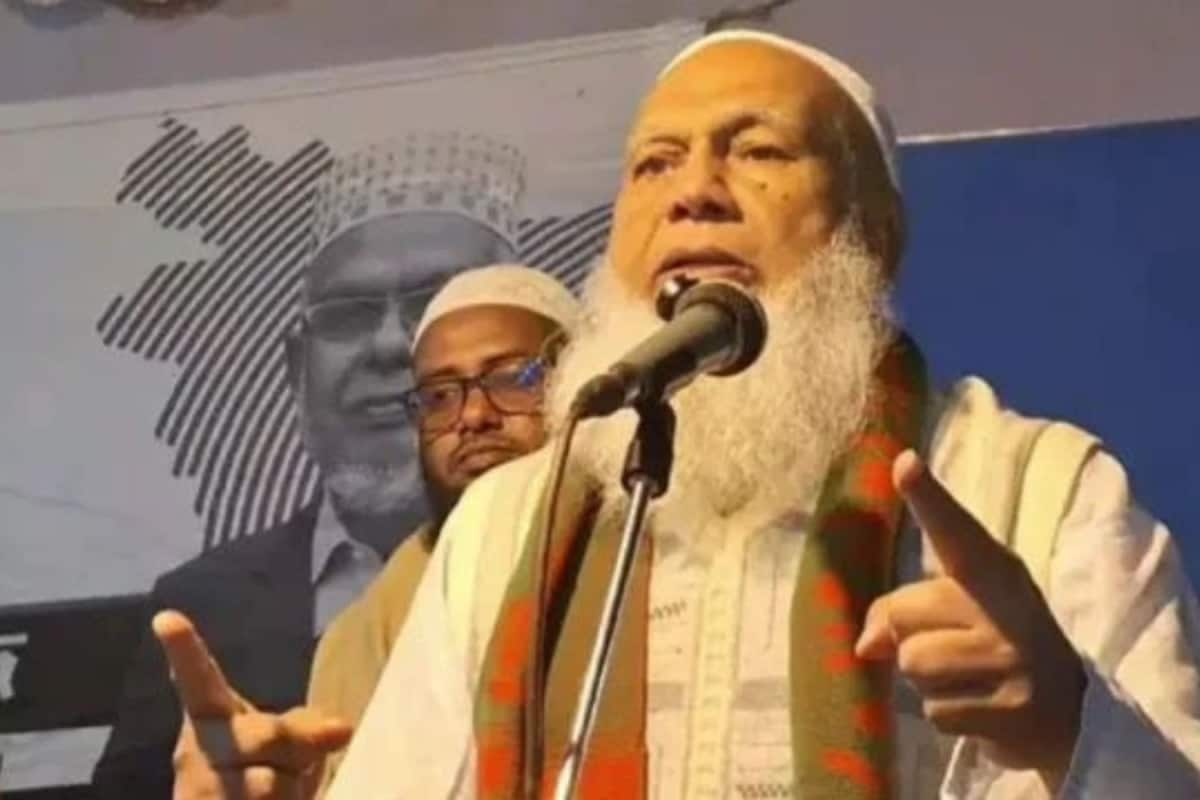
In a concerning development, a recent speech by a Jamaat-e-Islami candidate at a public gathering in Bangladesh has sparked alarm among citizens and political observers. The speaker, seeking a parliamentary seat, boldly proclaimed, "No non-Muslims should be allowed in the Bangladesh Parliament." This statement, far from being an isolated incident, reflects a growing trend of extremist rhetoric in the country's political arena.
The candidate's speech, delivered to a crowd of supporters, aimed to garner votes by exploiting religious sentiments. Sources close to the matter suggest that this rhetoric is a calculated move to appeal to a specific voter base and gain political mileage. The implications of such statements are far-reaching, as they not only divide communities but also threaten the secular fabric of Bangladesh's democracy. This incident has brought to light the potential influence of extremist ideologies on the nation's political landscape.
This event has raised questions about the role of political parties in fostering religious harmony. Critics argue that allowing such rhetoric to go unchecked could lead to further polarization and even violence. With Bangladesh's history of religious tensions, the need for responsible political discourse is paramount. The country's political parties must now address this issue and clarify their stance on promoting inclusive politics.
As the election season intensifies, the nation awaits the response of political leaders and authorities. Will they denounce such extremist views or remain silent, potentially endorsing these divisive ideologies? The coming days will reveal the direction Bangladesh's political narrative takes and its impact on the country's social fabric.
Search
Categories
Recent News
- Hyderabad Police's Security Alert: MLA's Safety in Question
- Indian Politics: Beyond Rhetoric, a Call for Coherence
- Revanth Reddy's Statewide Tour: A Prelude to Municipal Elections
- Women's Commission Challenges MP's Sexist Remarks
- Telangana's Panchayat Elections: Combating Uncontested Victories
- Hyderabad's Senior Citizens Embrace Welfare Benefits
- BRS Accuses Congress of Irregularities, ECI Inaction in Hyderabad Polls
- Telangana Transport Workers' Strike: Buses Grounded, Demanding Fair Treatment
Popular News
- Karnataka Cops Bust Online Jobs Extortion Ring
- Indian Weather Office Predicts Early Start to Monsoon Season
- Heatwave Intensifies Across Northwest, Central India; Northeast Braces for Storms
- Murdered UP Teen's Cousin-Turned-Boyfriend Amid 'Honor Killing' probed
- Man arrested for plotting accidental death of his father