Global Media Reactions to the India-Pakistan Ceasefire: Narratives, Biases, and Diplomatic Framing
International International NewsPosted by NewAdmin on 2025-05-12 08:39:34 |
Share: Facebook | Twitter | Whatsapp | Linkedin Visits: 34
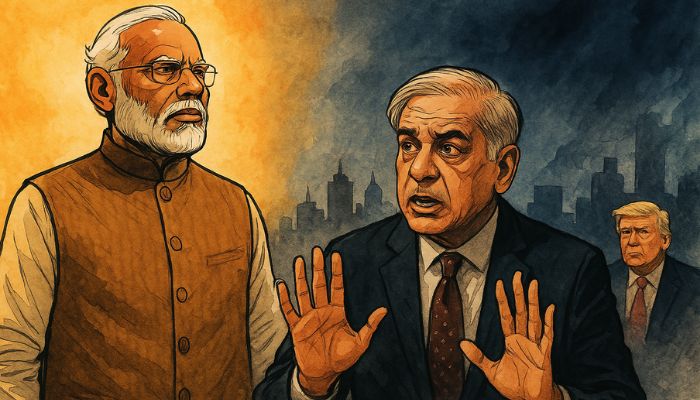
Following the April 22 terror attack in Pahalgam, reportedly claimed and later denied by The Resistance Front (an offshoot of the banned Pakistan-based Lashkar-e-Taiba), the conflict between India and Pakistan has once again drawn global attention. In retaliation, India launched Operation Sindoor on May 7, targeting key terror infrastructures, which further escalated hostilities between the two nuclear-armed neighbors. As tensions rose, global powers began weighing in, with several backing different sides and the United States positioning itself as a mediator.
The United States, under President Donald Trump, took a prominent role in the diplomatic developments. American media, such as the New York Times, Washington Post, NBC News, and Rolling Stone, emphasized the role of the US in brokering the ceasefire. Coverage often revolved around Trump’s claims of facilitating peace, sometimes overshadowing the involvement and perspectives of India and Pakistan themselves. For instance, the New York Times ran a live update with the headline, “Trump announced Cease-Fire,” placing US diplomacy at the center. Similarly, NBC News and Rolling Stone echoed the theme, underscoring Trump’s involvement while referencing ongoing violations of the ceasefire.
In the UK, media outlets like the Guardian and BBC offered a broader geopolitical perspective. The Guardian focused on the inherent danger of conflict between two nuclear states and criticized the Trump administration's lack of diplomatic infrastructure in South Asia. BBC detailed the backchannel negotiations and acknowledged the US's key role in averting further escalation, albeit with a tone of cautious skepticism about the ceasefire’s longevity.
Al Jazeera’s coverage attracted criticism for its perceived bias, highlighting India’s strategies in Kashmir and drawing comparisons with Israeli policies in Palestine. One of its op-eds suggested that the ceasefire made India appear diplomatically weakened and bolstered Pakistan’s regional standing. Meanwhile, Russia’s TASS reported on Indian airstrikes using Pakistani sources, and China’s Global Times faced backlash for allegedly spreading misinformation and relying on unverified Pakistani military claims, leading to a rebuttal from the Indian Embassy in Beijing.
This wide spectrum of international reporting reveals how the India-Pakistan ceasefire has not only impacted regional dynamics but also served as a geopolitical litmus test for major global powers and their respective media narratives.
Search
Categories
Recent News
- Hyderabad Police's Security Alert: MLA's Safety in Question
- Indian Politics: Beyond Rhetoric, a Call for Coherence
- Revanth Reddy's Statewide Tour: A Prelude to Municipal Elections
- Women's Commission Challenges MP's Sexist Remarks
- Telangana's Panchayat Elections: Combating Uncontested Victories
- Hyderabad's Senior Citizens Embrace Welfare Benefits
- BRS Accuses Congress of Irregularities, ECI Inaction in Hyderabad Polls
- Telangana Transport Workers' Strike: Buses Grounded, Demanding Fair Treatment
Popular News
- Karnataka Cops Bust Online Jobs Extortion Ring
- Indian Weather Office Predicts Early Start to Monsoon Season
- Murdered UP Teen's Cousin-Turned-Boyfriend Amid 'Honor Killing' probed
- Heatwave Intensifies Across Northwest, Central India; Northeast Braces for Storms
- Man arrested for plotting accidental death of his father