India-Pakistan Ceasefire: Fragile Calm After Escalation in Kashmir
International International NewsPosted by NewAdmin on 2025-05-12 08:50:26 |
Share: Facebook | Twitter | Whatsapp | Linkedin Visits: 32
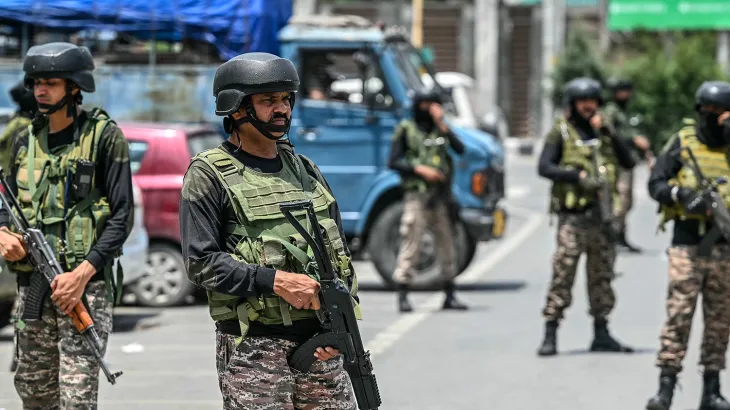
The recent military escalation between India and Pakistan was triggered by a deadly attack on tourists in Pahalgam on April 22, which India blamed on Pakistan-based armed groups. In response, India launched Operation Sindoor, firing air-to-surface missiles into Pakistani territory, claiming to target terrorist infrastructure. Pakistan retaliated with Operation Bunyan Marsoos, a military strike targeting Indian military installations. While both sides claimed successful interceptions of incoming missiles, they acknowledged that some strikes caused material damage and loss of life. The violence led to growing concern over the possibility of a wider conflict between two nuclear-armed nations.
Despite the scale of military action, neither country officially declared war. Both governments instead framed their actions as targeted military operations. This is consistent with past behavior, as India and Pakistan have often engaged in intense military confrontations without formally acknowledging a state of war. This strategic ambiguity is partly due to international norms that discourage the open declaration of war following the establishment of the United Nations in 1945. Declaring war imposes legal responsibilities under international humanitarian law, including the obligation to protect civilians and abide by the rules of armed conflict.
In addition to the ceasefire, the two countries have agreed to maintain open lines of military communication and plan to review the situation in future talks. However, broader diplomatic engagement appears uncertain. While US Secretary of State Marco Rubio suggested that discussions would begin on a wider range of issues at a neutral venue, India’s Ministry of Information and Broadcasting denied any such commitment. Analysts argue that initiating talks would require a major shift in India’s current foreign policy approach, which has largely been non-engaging when it comes to bilateral issues with Pakistan.
The broader context also includes suspended agreements and treaties. India’s suspension of its participation in the Indus Waters Treaty was labeled a hostile act by Pakistan, while Islamabad had earlier threatened to withdraw from the Simla Agreement. Experts believe that any long-term peace process will have to revisit these foundational agreements and use them as a starting point for renewed engagement. Meanwhile, both governments continue to appeal to their domestic audiences, portraying strength and resolve, making it difficult to de-escalate without appearing weak. The situation remains fragile, and while the ceasefire is a positive step, its durability is yet to be tested.
Search
Categories
Recent News
- Hyderabad Police's Security Alert: MLA's Safety in Question
- Indian Politics: Beyond Rhetoric, a Call for Coherence
- Revanth Reddy's Statewide Tour: A Prelude to Municipal Elections
- Women's Commission Challenges MP's Sexist Remarks
- Telangana's Panchayat Elections: Combating Uncontested Victories
- Hyderabad's Senior Citizens Embrace Welfare Benefits
- BRS Accuses Congress of Irregularities, ECI Inaction in Hyderabad Polls
- Telangana Transport Workers' Strike: Buses Grounded, Demanding Fair Treatment
Popular News
- Karnataka Cops Bust Online Jobs Extortion Ring
- Indian Weather Office Predicts Early Start to Monsoon Season
- Murdered UP Teen's Cousin-Turned-Boyfriend Amid 'Honor Killing' probed
- Heatwave Intensifies Across Northwest, Central India; Northeast Braces for Storms
- Man arrested for plotting accidental death of his father