US and China Announce 90-Day Tariff Truce with Significant Reductions
International International NewsPosted by NewAdmin on 2025-05-12 09:07:17 |
Share: Facebook | Twitter | Whatsapp | Linkedin Visits: 34
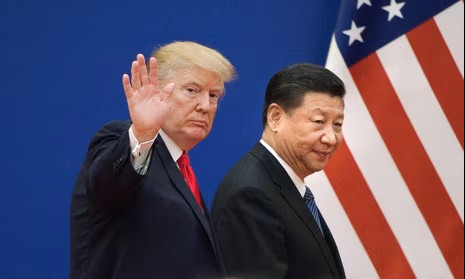
In a significant development aimed at easing trade tensions, the United States and China have announced a 90-day suspension of a portion of their reciprocal tariffs, along with a substantial reduction in current tariff levels. The agreement was made public through a joint statement from both countries and marks a tentative step toward stabilizing bilateral trade relations that have been strained for years. During this period, the US will reduce tariffs on Chinese goods from 145 percent to 30 percent, while China will lower its tariffs on American imports from 125 percent to 10 percent. Both governments emphasized the reciprocal nature of the agreement and expressed optimism about achieving a broader trade deal.
US Treasury Secretary Scott Bessent stated that the negotiations had been productive and respectful. He highlighted the significance of the 90-day pause, describing it as an opportunity to reset trade dynamics and address deeper concerns in a more constructive environment. US Trade Representative Jamieson Greer echoed this sentiment, emphasizing the speed with which the agreement was reached. Greer suggested that the swift negotiations indicated that the differences between the two sides may not have been as insurmountable as previously thought.
The joint statement provided more technical details on how the tariff reductions would be implemented. The United States will suspend 24 percentage points of its additional ad valorem tariff on Chinese goods, including those from Hong Kong and Macau, retaining a 10 percent base tariff. Similarly, China will suspend 24 percentage points of its own additional tariffs on US goods and remove other tariff hikes introduced earlier in 2025. Moreover, China pledged to suspend or eliminate non-tariff countermeasures against the United States that had been enacted since April.
This move comes in response to a sharp escalation in the trade war since Donald Trump returned to office in January. Trump had ramped up tariffs to 145 percent, continuing his previous administration’s tough stance on China. In retaliation, China imposed high tariffs and restricted exports of rare earth minerals vital to US industries. The conflict disrupted nearly $600 billion in bilateral trade, strained global supply chains, and triggered economic uncertainties, including fears of stagflation and job losses. The current truce, though temporary, is seen as a hopeful sign that both sides are willing to de-escalate and work toward a long-term resolution.
Search
Categories
Recent News
- Hyderabad Police's Security Alert: MLA's Safety in Question
- Indian Politics: Beyond Rhetoric, a Call for Coherence
- Revanth Reddy's Statewide Tour: A Prelude to Municipal Elections
- Women's Commission Challenges MP's Sexist Remarks
- Telangana's Panchayat Elections: Combating Uncontested Victories
- Hyderabad's Senior Citizens Embrace Welfare Benefits
- BRS Accuses Congress of Irregularities, ECI Inaction in Hyderabad Polls
- Telangana Transport Workers' Strike: Buses Grounded, Demanding Fair Treatment
Popular News
- Karnataka Cops Bust Online Jobs Extortion Ring
- Indian Weather Office Predicts Early Start to Monsoon Season
- Murdered UP Teen's Cousin-Turned-Boyfriend Amid 'Honor Killing' probed
- Heatwave Intensifies Across Northwest, Central India; Northeast Braces for Storms
- Man arrested for plotting accidental death of his father