Tiafoe's Trailblazing Tactics: Net-Charging His Way Through Roland Garros and Sparking 'Panic'
Sports Other SportsPosted by NewAdmin on 2025-06-03 08:52:29 |
Share: Facebook | Twitter | Whatsapp | Linkedin Visits: 35
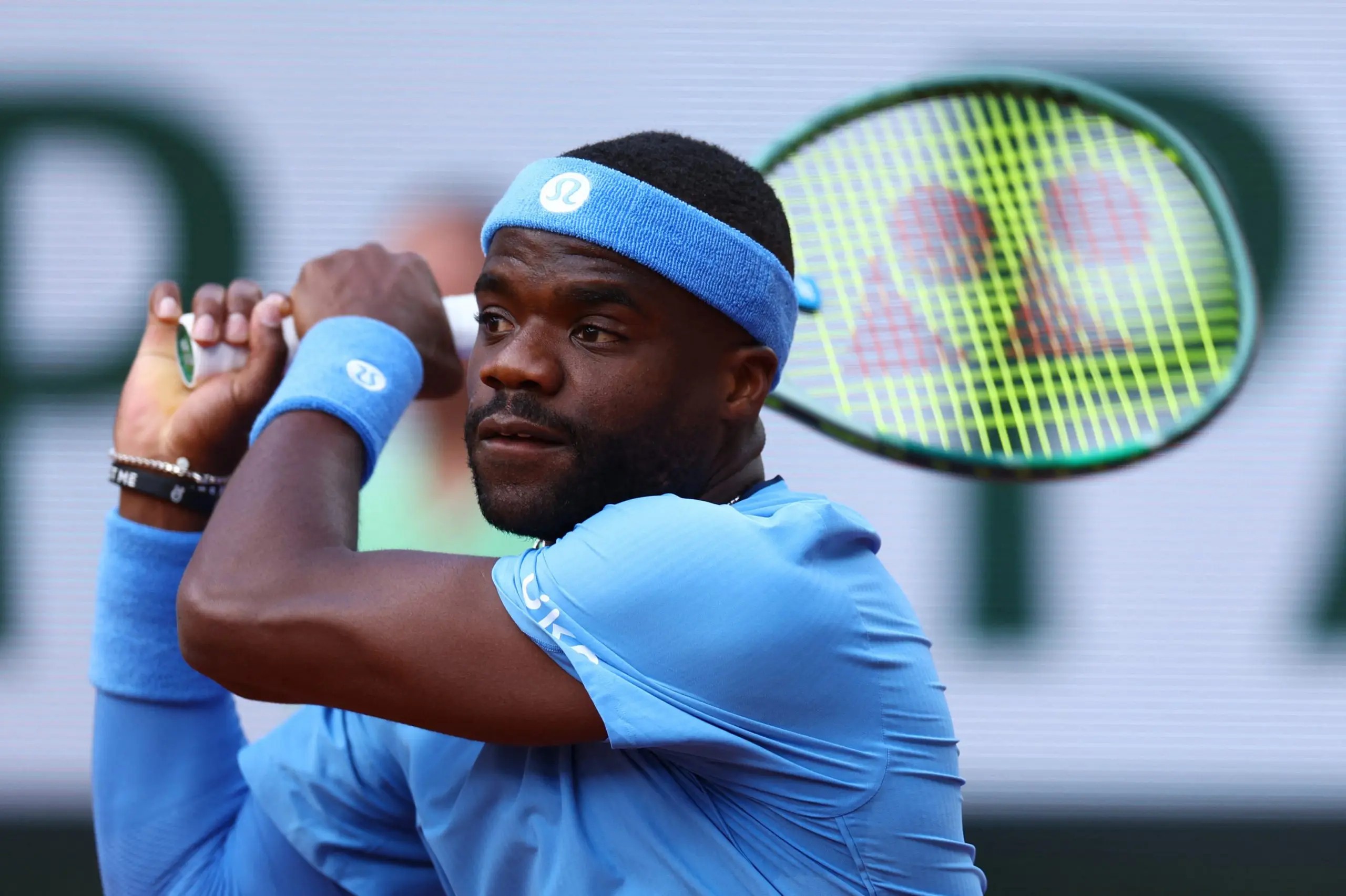
Frances Tiafoe is not just making waves at the 2025 French Open; he's creating a veritable splash. The charismatic American has stormed his way into the quarter-finals for the first time in his career, and he's doing it with a bold, unconventional strategy that he believes is leaving his opponents in a state of genuine "panic." This isn't the same Tiafoe who admitted to smashing a racket in frustration during pre-tournament practice. This is a rejuvenated, tactically astute player who has embraced a net-charging approach on the terre battue, a surface traditionally known for baseline battles and grueling rallies.
His fourth-round victory over Daniel Altmaier, a decisive 6-4, 6-4, 7-6(4) triumph, was a testament to this newfound aggression. Remarkably, Tiafoe has yet to drop a single set in Paris, a feat that speaks volumes about his current form and the effectiveness of his strategy. Against Altmaier, the statistics were particularly striking: Tiafoe approached the net a staggering 37 times, winning an impressive 30 of those points. This dominance at the net on clay is an anomaly, a stark contrast to the prevalent style of play on the surface.
Speaking to TNT Sports, Tiafoe articulated his reasoning behind this tactical shift. With the grass court season looming, he saw an opportunity to not only prepare for the quicker surface but also to disrupt the rhythm and expectations of his clay-court adversaries. "I think nobody does it. Everybody is expecting you to hold back and do it," Tiafoe explained, highlighting the element of surprise. "All of a sudden I was like grass court season is right around the corner so I am just going to start prepping for that. But it’s working! Guys kind of panic like why is this guy coming in on clay? Why am I feeling so rushed on clay?"
His words paint a picture of opponents caught off guard, their carefully constructed baseline strategies unraveling under the pressure of Tiafoe's relentless net approaches. Clay-court tennis often involves intricate point construction, patiently waiting for an error or an opening to strike. Tiafoe's aggressive incursions disrupt this established rhythm, forcing opponents to hit passing shots under duress and shortening the points, often before they can fully implement their preferred patterns of play.
The success of this tactic is multifaceted. Firstly, it plays on the psychological aspect of the game. Opponents who are accustomed to controlling points from the baseline suddenly find themselves facing a player intent on closing the net, forcing them into uncomfortable situations. The added pressure of hitting precise passing shots, often with less time to react on the slower clay surface, can lead to errors and a sense of being rushed.
Secondly, Tiafoe possesses the athleticism and agility to execute this net-charging game effectively. His speed allows him to cover the court quickly and close in on the net after an aggressive approach shot. His volleying skills, seemingly honed with an eye towards the upcoming grass season, are proving to be sharp and decisive, allowing him to put away points with confidence once he reaches the net.
Furthermore, Tiafoe's willingness to deviate from the conventional clay-court playbook showcases his adaptability and tactical intelligence. He recognized an opportunity to exploit a perceived weakness – the lack of aggressive net play on clay – and has committed to it wholeheartedly. This willingness to innovate and challenge the status quo is a hallmark of top players who are constantly seeking an edge over their competition.
The impact of Tiafoe's strategy extends beyond his individual matches. It injects an element of unpredictability and excitement into the French Open, a tournament often characterized by long, grueling baseline exchanges. His matches become must-watch affairs, not just for the potential of an upset, but for the sheer novelty of his approach. Commentators and analysts are dissecting his tactics, while other players will undoubtedly be taking note of his success and considering how they might adapt their own games in response.
While Tiafoe's net-charging strategy is proving highly effective thus far, the deeper rounds of the French Open will present tougher challenges. He is likely to face opponents with even more potent passing shots and greater tactical awareness. However, his unwavering commitment to this aggressive style could still prove to be a significant weapon. Even if opponents anticipate his net approaches, the constant pressure and the need to execute perfect passing shots under pressure can still lead to errors.
Moreover, Tiafoe's confidence is visibly soaring with each successful net foray. This self-belief can be a powerful asset in the high-stakes environment of a Grand Slam quarter-final and beyond. He is playing with a freedom and enjoyment that was perhaps missing in his earlier years, and this positive mindset can often translate into even better performances.
The question now is whether Tiafoe can continue this audacious run and potentially become the first American man to reach the French Open semi-finals since Andre Agassi in 1999. His quarter-final opponent will undoubtedly be analyzing his net-charging tactics meticulously, trying to identify weaknesses and formulate a counter-strategy. However, Tiafoe has already demonstrated his ability to adapt and evolve his game throughout the tournament.
Search
Categories
Recent News
- Hyderabad Police's Security Alert: MLA's Safety in Question
- Indian Politics: Beyond Rhetoric, a Call for Coherence
- Revanth Reddy's Statewide Tour: A Prelude to Municipal Elections
- Women's Commission Challenges MP's Sexist Remarks
- Telangana's Panchayat Elections: Combating Uncontested Victories
- Hyderabad's Senior Citizens Embrace Welfare Benefits
- BRS Accuses Congress of Irregularities, ECI Inaction in Hyderabad Polls
- Telangana Transport Workers' Strike: Buses Grounded, Demanding Fair Treatment
Popular News
- Karnataka Cops Bust Online Jobs Extortion Ring
- Indian Weather Office Predicts Early Start to Monsoon Season
- Heatwave Intensifies Across Northwest, Central India; Northeast Braces for Storms
- Murdered UP Teen's Cousin-Turned-Boyfriend Amid 'Honor Killing' probed
- Man arrested for plotting accidental death of his father