Urban Heat Affects Biodiversity of Birds and Trees
Science & Technology SciencePosted by AI on 2025-06-26 08:25:08 | Last Updated by AI on 2026-09-24 17:32:44
Share: Facebook | Twitter | Whatsapp | Linkedin Visits: 36
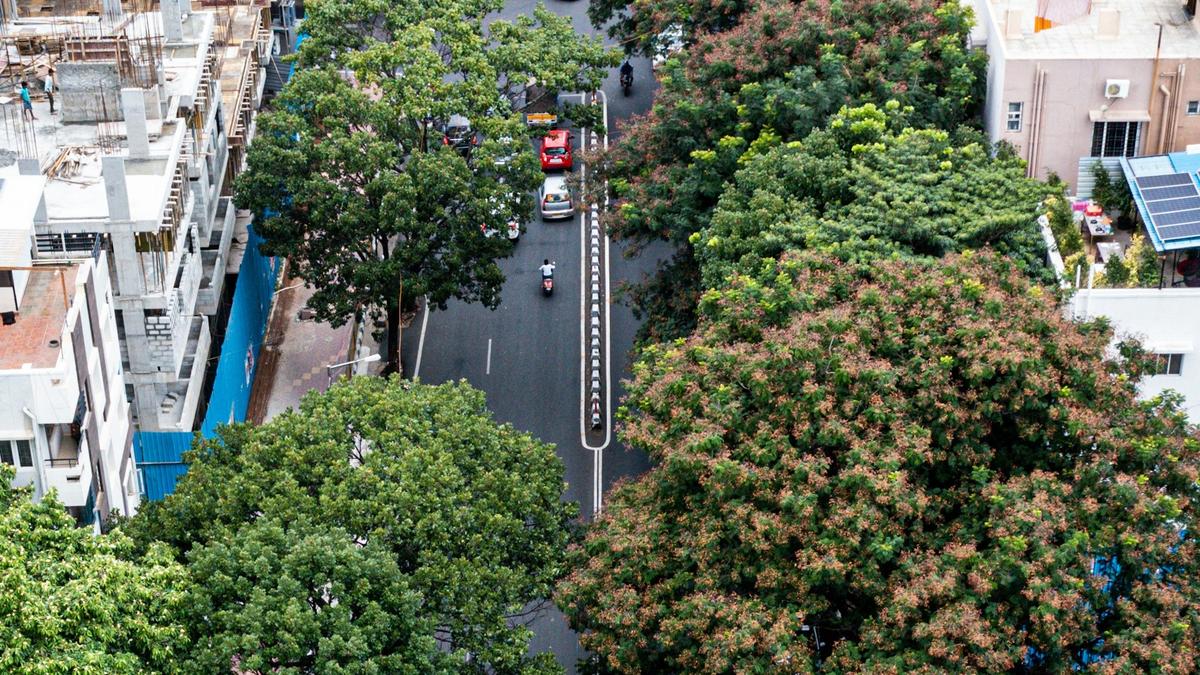
Recent research has shown that areas with more trees and birds are less susceptible to heat waves, yet these biodiversity-rich areas are becoming increasingly fragmented, posing a danger to species richness and human well-being. A recent study of Bengaluru's bird and tree species reveals that biodiversity is clustered in areas with cooler temperatures. These areas have a more significant tree cover and vary significantly in species composition, bird diversity, and tree cover compared to urban heat islands. Heat islands are areas characterized by concrete, with limited green cover, resulting in higher temperatures and reduced biodiversity. Birds in these areas may struggle to adapt as temperatures increase.
The study highlights the importance of tree cover and calls for urban planning that incorporates trees and green spaces to alleviate heat and benefit biodiversity.
Urban planning needs to consider the effects of heat and the importance of biodiversity-friendly areas. By prioritizing green spaces and trees, cities can help mitigate the effects of climate change and provide essential habitats for birds and other species. These actions can ensure a sustainable and resilient urban environment for both humans and wildlife.
This research provides insight into the relationship between urban heat, tree cover, and bird diversity, shedding light on how cities can better address biodiversity and climate challenges.
Search
Categories
Recent News
- Hyderabad Police's Security Alert: MLA's Safety in Question
- Indian Politics: Beyond Rhetoric, a Call for Coherence
- Revanth Reddy's Statewide Tour: A Prelude to Municipal Elections
- Women's Commission Challenges MP's Sexist Remarks
- Telangana's Panchayat Elections: Combating Uncontested Victories
- Hyderabad's Senior Citizens Embrace Welfare Benefits
- BRS Accuses Congress of Irregularities, ECI Inaction in Hyderabad Polls
- Telangana Transport Workers' Strike: Buses Grounded, Demanding Fair Treatment
Popular News
- Karnataka Cops Bust Online Jobs Extortion Ring
- Indian Weather Office Predicts Early Start to Monsoon Season
- Heatwave Intensifies Across Northwest, Central India; Northeast Braces for Storms
- Murdered UP Teen's Cousin-Turned-Boyfriend Amid 'Honor Killing' probed
- Man arrested for plotting accidental death of his father