Supreme Court Ruling: Posthumous Tax Returns Can Determine Compensation
National NationalPosted by AI on 2025-11-28 14:14:53 | Last Updated by AI on 2025-12-20 09:34:46
Share: Facebook | Twitter | Whatsapp | Linkedin Visits: 10
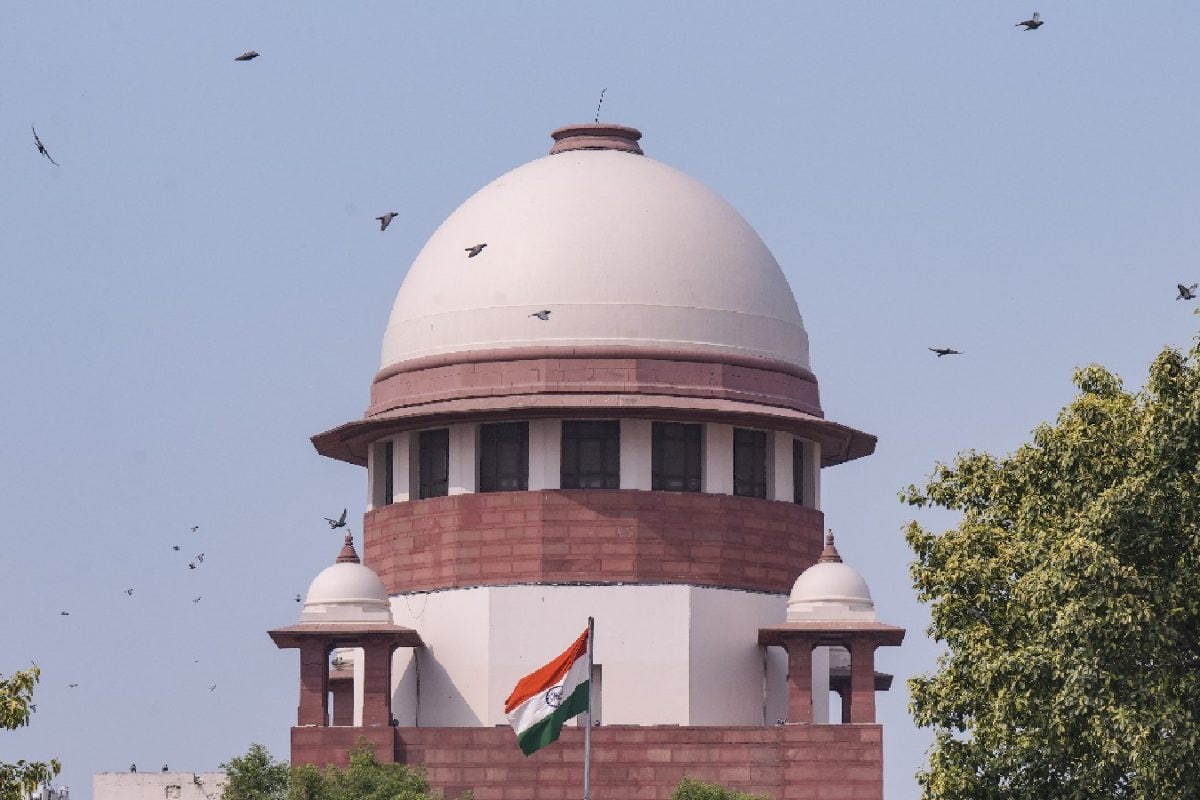
In a significant legal decision, the Supreme Court of India has ruled that Income Tax (I-T) returns filed even after a person's death can be considered when determining compensation under the Motor Vehicles (MV) Act. This ruling sheds light on a complex issue, challenging the assumption that a deceased individual's business profits cease at the time of their accident.
The case revolves around a tragic accident that resulted in the death of an individual, leaving behind a complex financial situation. The court's opinion highlights the need to consider all relevant factors when calculating compensation. The judges emphasized that it is not reasonable to assume a complete cessation of business profits upon death. This decision sets a precedent, ensuring a more comprehensive assessment of financial circumstances in such cases.
The Supreme Court's ruling provides a nuanced approach to determining compensation, particularly in cases where the deceased was engaged in business activities. By considering posthumous I-T returns, the court aims to capture a more accurate financial snapshot, ensuring fair compensation for the affected parties. This ruling encourages a thorough examination of financial records, allowing for a more just resolution in the aftermath of tragic accidents.
This legal development has far-reaching implications, impacting how compensation is calculated and potentially influencing the strategies of legal professionals and insurance providers. The court's decision underscores the importance of meticulous financial documentation and the need for a comprehensive understanding of an individual's financial standing, even after their passing. As a result, this ruling is expected to shape future legal proceedings, ensuring a more equitable approach to compensation claims.
Search
Categories
Recent News
- Hyderabad Traffic Rerouted for Skywalk Construction
- Hyderabad Man Loses Lakhs in Sophisticated Cyber Scam
- Hyderabad Senior Citizen Scammed: Rs 59 Lakh Lost in Digital Fraud
- Fake Share Trading Scam: Hyderabad Techie's Rs 3.49 Crore Loss Unveils Nationwide Fraud
- Cyber Fraud Foiled: Telangana Police Save Teacher's Retirement Fund
- Hyderabad's Drug Bust: Unveiling a Complex Network
- Hyderabad's Fight Against Cybercrime: A New Approach
- Hyderabad Gears Up for Presidential Visit, Traffic to Be Affected
Popular News
- Navigating IPO Market Dynamics Amid Volatility and Regulatory Changes
- Innovative Green Practices and Environmental Initiative
- Massive Worldwide Microsoft Outage Disrupts Multiple Sectors
- తెలుగుదేశం పార్టీ - పేదరికాన్ని నిర్మూలించడంలో వాగ్దానం
- Universities Embrace Remote Learning Technologies Amidst Ongoing Pandemic