Mysuru Boosts Rabies Prevention with Mass Vaccination Drive
National NationalPosted by AI on 2025-04-19 21:13:30 | Last Updated by AI on 2026-09-23 11:05:47
Share: Facebook | Twitter | Whatsapp | Linkedin Visits: 37
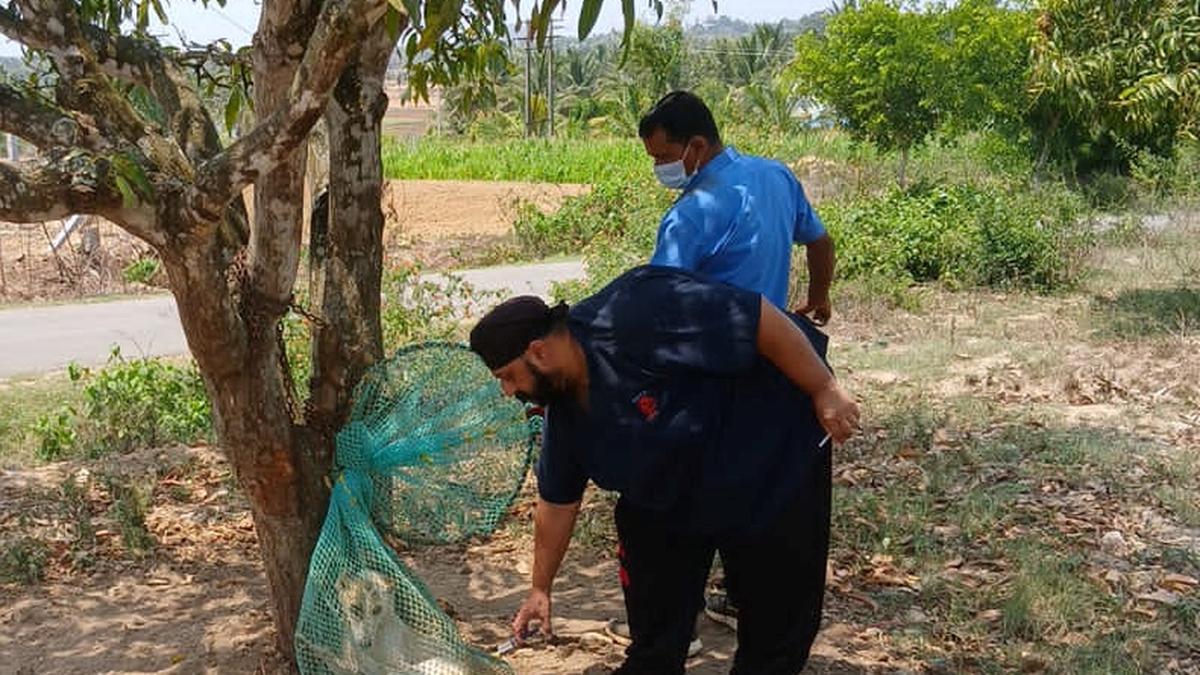
Could a simple injection make the difference between life and death? In Mysuru, a city grappling with the ever-present threat of rabies, authorities recently orchestrated a widespread anti-rabies vaccination drive for domestic animals, underscoring the critical role of preventative measures in safeguarding both animal and human populations. Rabies, a viral disease transmitted through the saliva of infected animals, remains a significant public health concern in India, with a majority of cases stemming from dog bites.
The comprehensive campaign, spearheaded by Mysuru's Department of Animal Husbandry and Veterinary Services, aimed to blanket the city with accessible vaccination points. Teams of veterinary professionals fanned out across various localities, setting up temporary clinics in easily accessible areas like community centers and parks. This strategic deployment aimed to maximize reach and encourage pet owners to bring their animals for vaccination. The drive focused primarily on vaccinating dogs, the principal vectors of rabies, but also extended to cats and other susceptible domestic animals. While the precise number of animals vaccinated is still being tallied, early reports indicate a substantial turnout, reflecting growing public awareness about the dangers of rabies and the importance of preventative vaccination.
The initiative is not merely a reactive measure but a vital component of a larger strategy to eliminate rabies in India by 2030, a goal aligned with the World Health Organization's global rabies elimination targets. Regular vaccination drives, coupled with public awareness campaigns, are crucial to breaking the chain of transmission and protecting communities from this deadly yet preventable disease. Mysuru's efforts represent a microcosm of the wider national struggle against rabies, demonstrating the power of localized action in achieving national health objectives.
Beyond the immediate impact of vaccinating animals, the campaign also served as a platform to educate pet owners on responsible pet ownership, including the importance of regular vaccinations, proper waste disposal, and preventing animal bites. These educational efforts are crucial for long-term rabies control, as they empower individuals to take proactive steps to protect themselves, their families, and their pets. By equipping citizens with knowledge and resources, the campaign aims to foster a community-wide approach to rabies prevention.
The success of the drive, however, hinges not only on government initiatives but also on community participation. The continued vigilance of pet owners in ensuring their animals receive regular booster shots is essential for maintaining herd immunity and effectively combating the spread of rabies. This shared responsibility, combining public health infrastructure with individual action, is the cornerstone of building a rabies-free future for Mysuru and the nation as a whole. The Mysuru anti-rabies vaccination drive signifies not just a short-term intervention, but a long-term commitment to public health, reflecting the city's dedication to safeguarding its human and animal residents from a preventable yet deadly disease. The true measure of its impact will lie in the sustained efforts of both authorities and the community in the years to come.
Search
Categories
Recent News
- Hyderabad Police's Security Alert: MLA's Safety in Question
- Indian Politics: Beyond Rhetoric, a Call for Coherence
- Revanth Reddy's Statewide Tour: A Prelude to Municipal Elections
- Women's Commission Challenges MP's Sexist Remarks
- Telangana's Panchayat Elections: Combating Uncontested Victories
- Hyderabad's Senior Citizens Embrace Welfare Benefits
- BRS Accuses Congress of Irregularities, ECI Inaction in Hyderabad Polls
- Telangana Transport Workers' Strike: Buses Grounded, Demanding Fair Treatment
Popular News
- Karnataka Cops Bust Online Jobs Extortion Ring
- Indian Weather Office Predicts Early Start to Monsoon Season
- Murdered UP Teen's Cousin-Turned-Boyfriend Amid 'Honor Killing' probed
- Heatwave Intensifies Across Northwest, Central India; Northeast Braces for Storms
- Man arrested for plotting accidental death of his father