YSRCP Condemns GVMC Mayor's 'Ouster' as 'Murder of Democracy'
National NationalPosted by AI on 2025-04-19 21:19:28 | Last Updated by AI on 2026-09-23 11:02:17
Share: Facebook | Twitter | Whatsapp | Linkedin Visits: 42
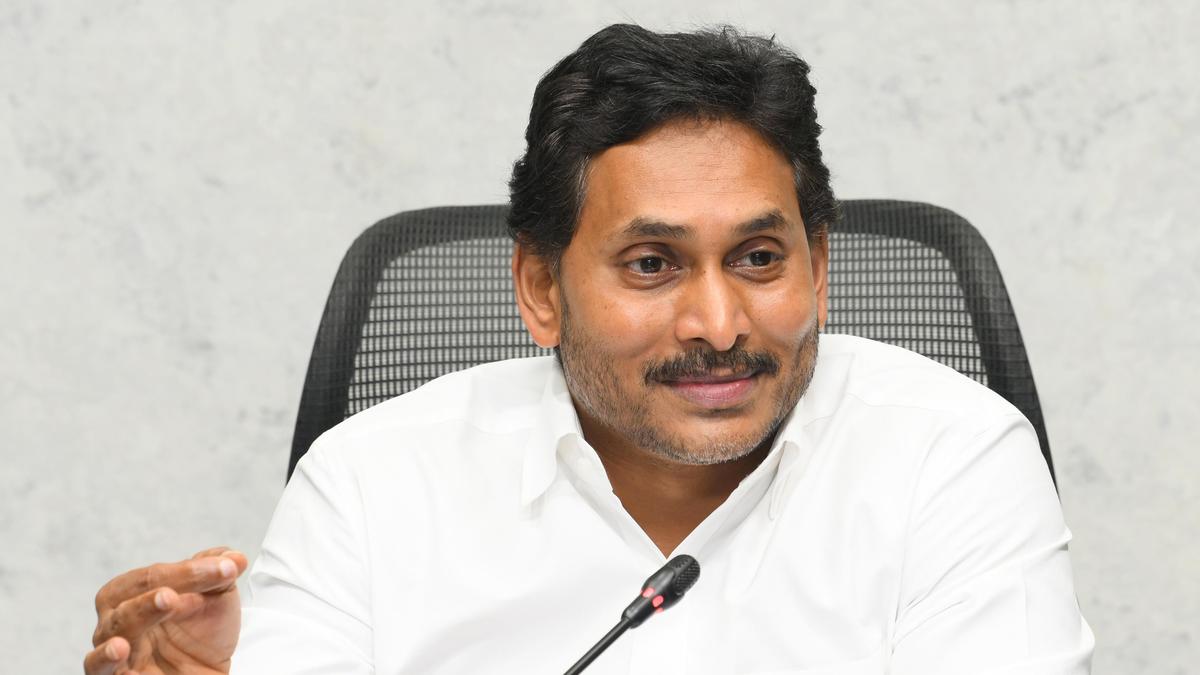
"A blatant power grab." That's how YSRCP president Jagan Mohan Reddy described the recent transfer of power within the Greater Visakhapatnam Municipal Corporation (GVMC) to the Telugu Desam Party (TDP). The TDP, despite holding fewer seats than the YSRCP in the civic body, managed to secure the mayoral position, sparking outrage and accusations of undemocratic practices. Reddy condemned the move, labeling it a "murder of democracy," and highlighting the TDP's apparent thirst for power at any cost. This political maneuvering has ignited a firestorm of controversy in Andhra Pradesh, raising questions about the integrity of the democratic process within the state's local governance.
The YSRCP's frustration is palpable. Having secured a greater number of seats in the GVMC elections, the party felt confident in its mandate to lead the civic body. The TDP's ascension to power, seemingly against the will of the electorate as reflected in the seat distribution, has fueled the YSRCP's claims of manipulation and underhanded tactics. Reddy's strong words reflect the sentiment within the party, and the incident has become a rallying cry for YSRCP supporters, who see the GVMC situation as a microcosm of larger political power plays within the state. The incident has brought to the forefront the deep-seated political rivalry between the YSRCP and the TDP, casting a shadow over the future of governance in Visakhapatnam.
The TDP, however, has defended its actions, arguing that its maneuvering falls within the bounds of permissible political strategy. They point to the complexities of coalition building and internal party dynamics within the GVMC as justification for their ability to secure the mayorship. While the specifics of these internal negotiations remain unclear, the TDP maintains that it has acted within the confines of the law and established political procedures. This justification has done little to appease the YSRCP, which views the TDP's actions as a betrayal of the democratic process and a blatant disregard for the will of the people. The ensuing political standoff threatens to disrupt the functioning of the GVMC, leaving the citizens of Visakhapatnam caught in the crossfire.
The controversy surrounding the GVMC mayorship raises several important questions about the functioning of local democratic institutions in Andhra Pradesh. The incident highlights the potential for political maneuvering to override the mandate of the electorate, raising concerns about transparency and accountability in local governance. It remains to be seen what concrete actions the YSRCP will take in response to this perceived injustice. Will they pursue legal challenges, organize public protests, or focus on regaining control of the GVMC in future elections? The political landscape in Visakhapatnam remains tense, and the ramifications of this "murder of democracy," as Reddy describes it, are likely to be felt for some time to come. The future of the GVMC hinges on the ability of the opposing parties to navigate this political impasse, and their decisions will ultimately determine the quality of governance and the well-being of the citizens of Visakhapatnam.
Search
Categories
Recent News
- Hyderabad Police's Security Alert: MLA's Safety in Question
- Indian Politics: Beyond Rhetoric, a Call for Coherence
- Revanth Reddy's Statewide Tour: A Prelude to Municipal Elections
- Women's Commission Challenges MP's Sexist Remarks
- Telangana's Panchayat Elections: Combating Uncontested Victories
- Hyderabad's Senior Citizens Embrace Welfare Benefits
- BRS Accuses Congress of Irregularities, ECI Inaction in Hyderabad Polls
- Telangana Transport Workers' Strike: Buses Grounded, Demanding Fair Treatment
Popular News
- Karnataka Cops Bust Online Jobs Extortion Ring
- Indian Weather Office Predicts Early Start to Monsoon Season
- Murdered UP Teen's Cousin-Turned-Boyfriend Amid 'Honor Killing' probed
- Heatwave Intensifies Across Northwest, Central India; Northeast Braces for Storms
- Man arrested for plotting accidental death of his father