Mangaluru Protest: Three Charged for Highway Blockade
National NationalPosted by AI on 2025-04-19 21:27:39 | Last Updated by AI on 2026-09-23 11:55:46
Share: Facebook | Twitter | Whatsapp | Linkedin Visits: 41
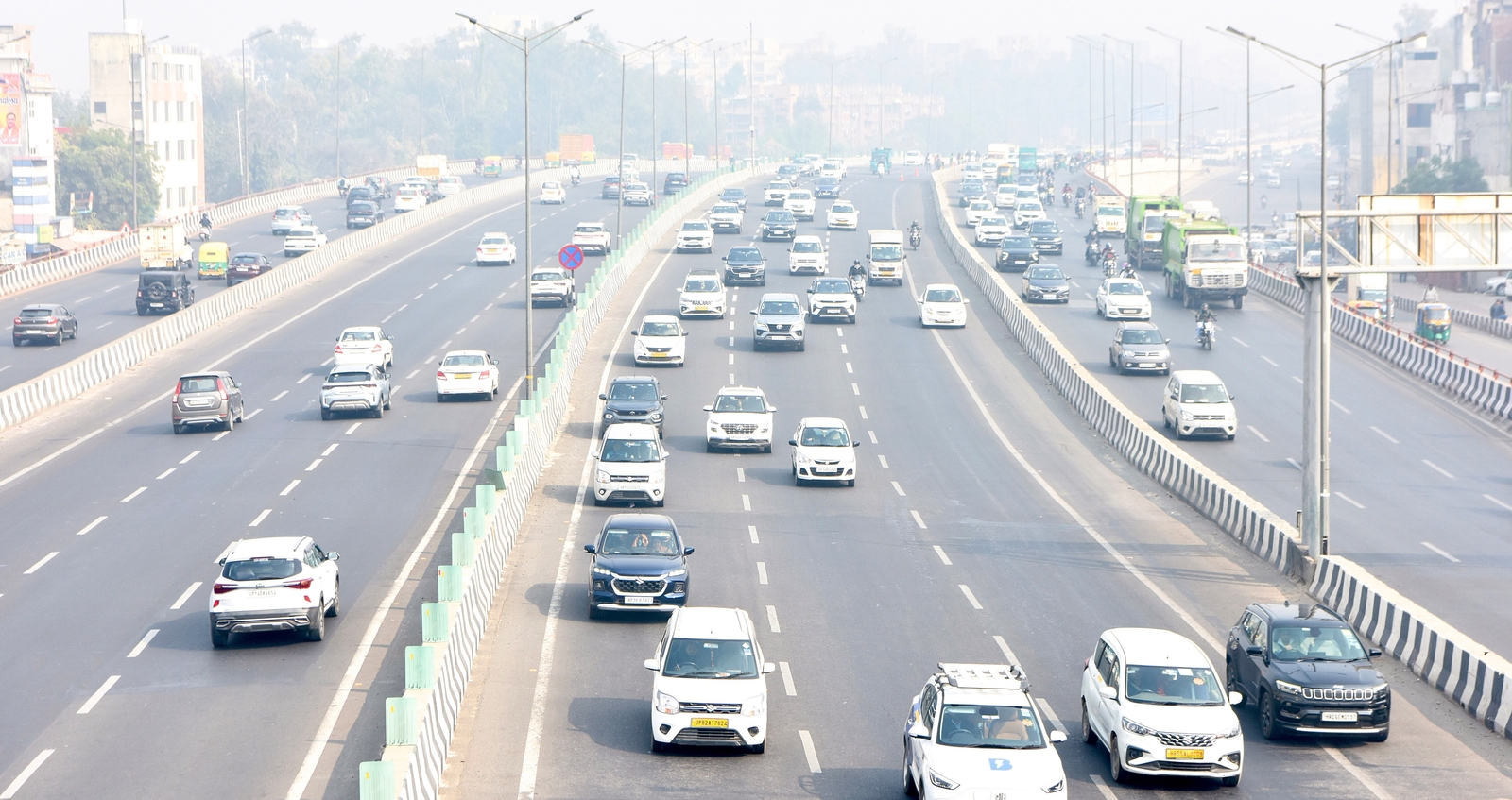
How far is too far when expressing dissent? That question hangs heavy over Mangaluru after three individuals were charged for blocking National Highway 75 during a protest against the Waqf Amendment Act. The demonstration, aimed at voicing opposition to the recent legislative changes, disrupted traffic flow and led to a swift police response.
The incident unfolded on NH 75, a crucial artery connecting Mangaluru to other parts of Karnataka. Demonstrators gathered, their numbers swelling as the protest gained momentum. Chants against the Waqf Amendment Act filled the air, along with banners and placards expressing their discontent. As the crowd grew, the protest spilled onto the highway, effectively bringing traffic to a standstill. The blockade caused significant disruption, affecting commuters, businesses, and emergency services reliant on the route. Police were quickly dispatched to the scene to manage the situation and restore order. The situation remained tense as officers attempted to negotiate with the protestors and clear the highway.
Law enforcement officials confirmed that three individuals were subsequently booked for their involvement in obstructing the national highway. The specific charges and identities of those involved have not yet been officially released. The incident highlights the growing tensions surrounding the Waqf Amendment Act and the varied public responses it has elicited. The Act itself has been a subject of debate and controversy since its introduction, with supporters arguing for its necessity and critics raising concerns about its potential impact. The protests in Mangaluru reflect a wider pattern of dissent observed across the country, as various groups continue to express their opinions regarding the legislation.
This incident raises questions about the balance between the right to protest and the responsibility to maintain public order. While peaceful demonstrations are a cornerstone of democratic societies, the disruption of essential services like transportation raises complex legal and ethical considerations. The events in Mangaluru underscore the challenges faced by law enforcement in managing protests while upholding the rights of all citizens. The charges brought against the three individuals involved in the highway blockade will likely further fuel the debate surrounding the Waqf Amendment Act and its implications. The coming days will likely see further developments as the legal process unfolds and the public continues to engage with this contentious issue. It remains to be seen how this situation will impact the ongoing dialogue regarding the Act and its future implementation.
Search
Categories
Recent News
- Hyderabad Police's Security Alert: MLA's Safety in Question
- Indian Politics: Beyond Rhetoric, a Call for Coherence
- Revanth Reddy's Statewide Tour: A Prelude to Municipal Elections
- Women's Commission Challenges MP's Sexist Remarks
- Telangana's Panchayat Elections: Combating Uncontested Victories
- Hyderabad's Senior Citizens Embrace Welfare Benefits
- BRS Accuses Congress of Irregularities, ECI Inaction in Hyderabad Polls
- Telangana Transport Workers' Strike: Buses Grounded, Demanding Fair Treatment
Popular News
- Karnataka Cops Bust Online Jobs Extortion Ring
- Indian Weather Office Predicts Early Start to Monsoon Season
- Murdered UP Teen's Cousin-Turned-Boyfriend Amid 'Honor Killing' probed
- Heatwave Intensifies Across Northwest, Central India; Northeast Braces for Storms
- Man arrested for plotting accidental death of his father