Karnataka CET 'Janeu' Row: Principal Dismissed
National NationalPosted by AI on 2025-04-20 12:26:03 | Last Updated by AI on 2026-09-23 15:15:15
Share: Facebook | Twitter | Whatsapp | Linkedin Visits: 34
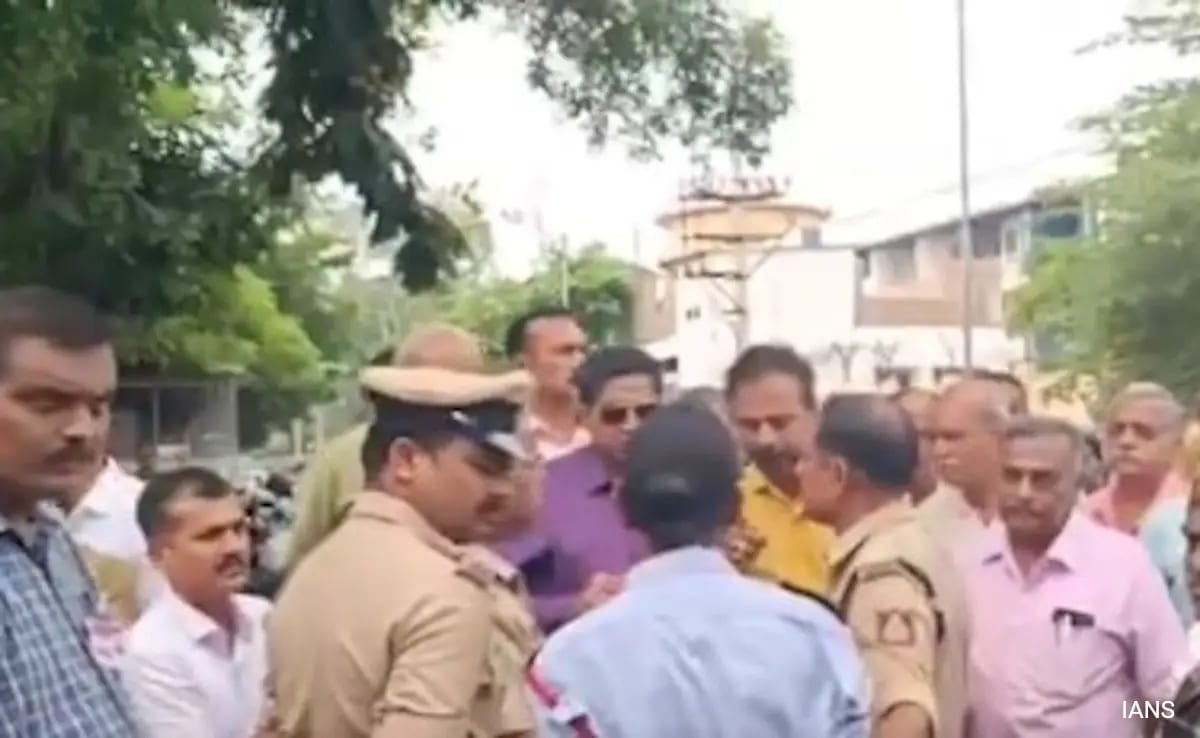
"It felt like a violation of our faith," recounted a student leaving the Karnataka Common Entrance Test (CET) center. Several students alleged they were instructed to remove their 'janeu,' the sacred thread worn by some Hindus, before entering the examination hall. The incident, sparking outrage and accusations of religious discrimination, has led to the dismissal of the examination center's principal.
The controversy unfolded at an examination center in Karnataka during the state's highly competitive CET, a crucial gateway for aspiring engineers and medical professionals. Students reported being asked to remove their janeu, a thread traditionally worn across the torso, as part of the security protocol designed to prevent cheating. While authorities maintain that the directive was intended to prevent the use of hidden electronic devices, many students felt the measure was excessive and targeted a specific religious practice. Images and videos of distressed students removing their sacred threads quickly circulated on social media, amplifying the public outcry. The incident ignited debates about religious freedom and the appropriateness of security measures in examination settings.
The Karnataka Examination Authority (KEA), responsible for conducting the CET, quickly launched an inquiry into the allegations. Following preliminary investigations, the principal of the examination center was dismissed. The KEA reiterated its commitment to maintaining a fair and respectful environment for all students, regardless of their religious beliefs. The authorities emphasized that while strict security measures are necessary to ensure the integrity of the examination process, these measures must be implemented sensitively and without infringing upon religious practices. They clarified that there is no official ban on wearing the janeu during the CET exam, acknowledging that the actions at the specific center were a misinterpretation of the rules.
The incident has brought the sensitive issue of religious practices and security protocols in educational settings to the forefront. Student organizations and religious leaders have condemned the incident, demanding a comprehensive review of examination guidelines to prevent similar occurrences in the future. They argue that while preventing cheating is paramount, security procedures should not come at the cost of religious freedom and students' dignity. The incident also raises broader questions about striking a balance between maintaining exam integrity and respecting individual rights. The Karnataka government has assured a thorough review of the situation and promised to implement guidelines that ensure both security and religious sensitivity.
The dismissal of the principal marks a significant development in the ongoing controversy, but the broader discussion continues. The impact of this incident on future examination procedures and the delicate balance between security and religious freedom remains to be seen. The KEA's response and the subsequent public discourse will play a crucial role in shaping how such sensitive issues are handled in educational contexts moving forward.
Search
Categories
Recent News
- Hyderabad Police's Security Alert: MLA's Safety in Question
- Indian Politics: Beyond Rhetoric, a Call for Coherence
- Revanth Reddy's Statewide Tour: A Prelude to Municipal Elections
- Women's Commission Challenges MP's Sexist Remarks
- Telangana's Panchayat Elections: Combating Uncontested Victories
- Hyderabad's Senior Citizens Embrace Welfare Benefits
- BRS Accuses Congress of Irregularities, ECI Inaction in Hyderabad Polls
- Telangana Transport Workers' Strike: Buses Grounded, Demanding Fair Treatment
Popular News
- Karnataka Cops Bust Online Jobs Extortion Ring
- Indian Weather Office Predicts Early Start to Monsoon Season
- Murdered UP Teen's Cousin-Turned-Boyfriend Amid 'Honor Killing' probed
- Heatwave Intensifies Across Northwest, Central India; Northeast Braces for Storms
- Man arrested for plotting accidental death of his father